Your Ultimate Guide to African Safari Tours Serengeti
What to Know Before You Go to African Safari Tours Serengeti
You’ve Heard About It. Now Let’s Talk About Actually Going.
There’s something about the Serengeti that pulls you in, even before you set foot on its golden plains. Maybe it’s the way people talk about the Great Migration like it’s a biblical event. Or the sheer magic of seeing a lion yawn just meters from your open-roof vehicle. Either way, African safari tours Serengeti aren’t just holidays—they’re memories stitched into the fabric of your life.
But before you hop on that plane, let’s unpack the details. Because while the Serengeti looks wild and boundless, planning a trip there? It’s got a few twists and turns.
How much does a Serengeti safari cost?
Let’s get the money talk out of the way first. An African safari tour Serengeti doesn’t come cheap—but there’s a range, and that’s good news.
At the budget end (think: group camping, shared vehicles), you’re looking at around $250–$350 per person per day. That usually includes your park fees, meals, transport, and a guide. Move up a notch, and mid-range tours hover around $500–$700 per person per day—think cozy lodges, fewer people in the vehicle, and slightly more personal attention.
Now, luxury safaris? Different ballgame. Fly-in packages, tented camps with hot showers and silver cutlery, private guides, sundowners in the bush… You’ll be spending $1,200 to $3,000+ per day. But hey—if you’re going to splurge, why not do it while watching elephants cross the plains at sunset?
How much does it cost to enter the Serengeti?
Here’s the thing—Serengeti National Park isn’t free. The entry fee for international tourists is $70 per adult per day, plus an 18% VAT. If your tour includes multiple parks (which it often does), expect extra costs. Also, some camps charge separate concession fees, which can be another $50–$60 per night.
So yes, the adventure’s incredible—but the price tag’s no joke.
Why is Serengeti so expensive?.

It’s a fair question. Honestly, it’s not just the wildlife that’s wild—prices can be too. But once you’re there, it kind of makes sense.
First, logistics. Running a lodge in the middle of nowhere means flying in food, staff, spare parts—you name it. Then there’s conservation: park fees help protect animals, support anti-poaching efforts, and fund community initiatives. And third? It’s the Serengeti. You’re paying for the privilege to be somewhere utterly unspoiled.
Still, you can trim costs with group tours, shoulder-season bookings, or choosing lodges just outside the park (they’re cheaper and sometimes just as good).
How long is the drive from Ngorongoro to Serengeti?
You’d think two famous parks would be a quick hop apart. Not quite. The drive from Ngorongoro Crater to central Serengeti takes about 4 to 5 hours. That’s if the roads behave.
It’s a bumpy, dusty ride—but honestly, it’s also part of the charm. You’ll see Maasai villages, vast highlands, maybe a giraffe strutting beside the road like it owns the place (it kind of does). Bring snacks. And patience.
Is Serengeti better than Kruger?
Ah, the old safari showdown. It’s like comparing espresso to drip coffee—depends on what you’re into.
Kruger National Park (South Africa) is accessible, has excellent infrastructure, and allows self-driving. Great for first-timers. But the African safari tours Serengeti offer something wilder, more remote, and arguably more dramatic, especially during the Great Migration. It’s raw. Unfiltered. Like nature pressed the “epic” button.
So, is it better? If you want the classic, untamed safari of your imagination, yes. But it’s apples and oranges, really.
What are the best months for safari in the Serengeti?
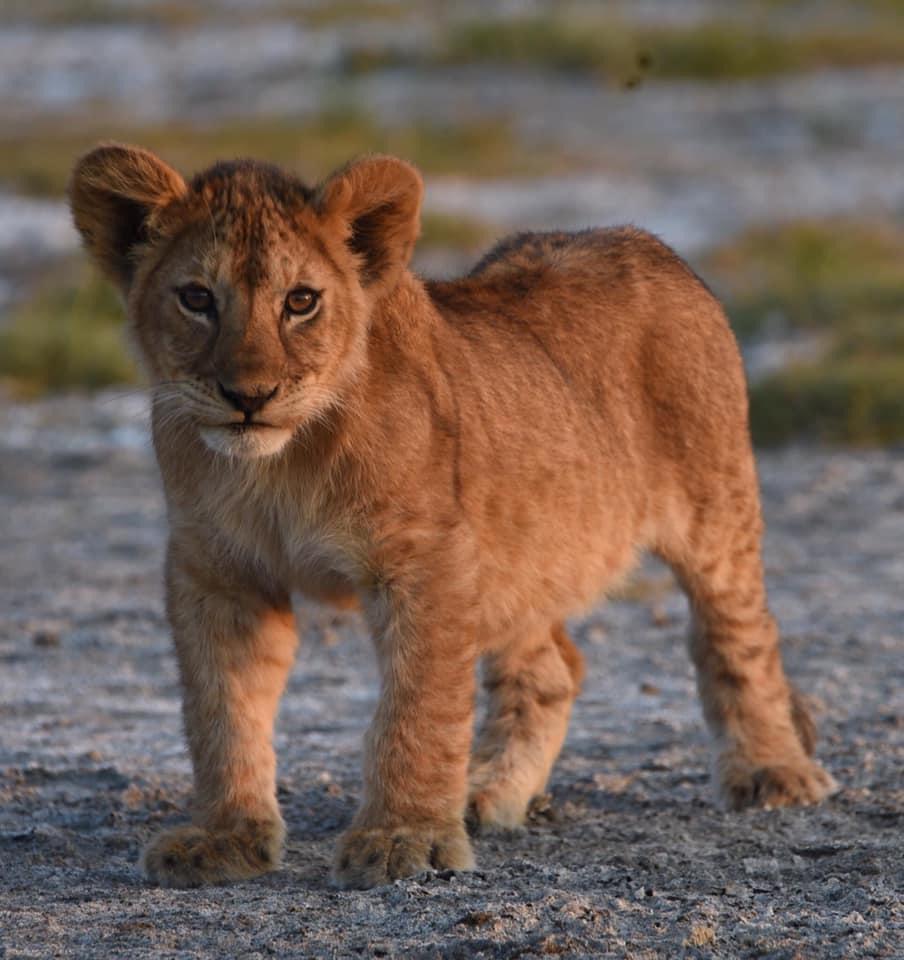
This one’s tricky because every season brings something different.
- June to October: Peak dry season, cooler weather, and excellent wildlife viewing. The migration’s in full swing in the northern Serengeti from July onward—wildebeest crossing the Mara River? Unforgettable.
- December to March: Calving season in the southern Serengeti. Predators love this time, too (you know, lunch).
- April and May: The “green season”—fewer crowds, lower prices, and stunning landscapes, but it’s rainy and muddy. Still, for photographers? It’s heaven.
Plan your African safari tours Serengeti around what kind of drama you want—birth, chase, or river-crossing chaos.
Which is better, Masai Mara or Serengeti?
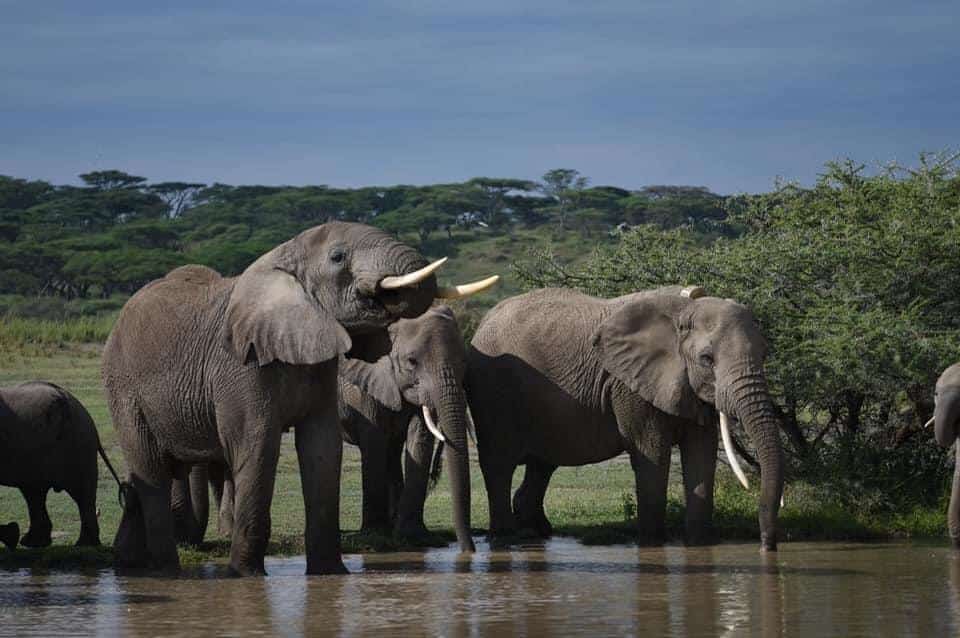
Short answer? Both. Longer answer? Depends on your travel style.
Masai Mara (Kenya) is more compact, meaning animals are easier to spot. It’s also ideal for shorter trips. But the Serengeti—it’s vast, untamed, and more varied in terms of ecosystems. Think of the Mara as a brilliant chapter; the Serengeti is the whole book.
For the full migration experience, many combine both in one trip. Not a bad idea, if your budget—and passport—allow it.
How long is the Serengeti safari tour?.

Typical African safari tours Serengeti last 3 to 7 days, though some go up to 10 days if you’re exploring multiple regions (north, central, southern).
Short on time? A 3-day tour focuses on the central Serengeti. More days mean deeper exploration—say, from Seronera to Kogatende during migration season. And trust me, you don’t want to rush this.
How do I go from Arusha to Serengeti?
Arusha is the safari capital of northern Tanzania—your jumping-off point.
You’ve got options:
- Drive: Around 8–10 hours, with stops in places like Lake Manyara or Ngorongoro.
- Fly: Short domestic flights from Arusha Airport (ARK) to various Serengeti airstrips. Costlier, but saves time and your spine.
Honestly? If you can swing the flight one way and drive the other, you get the best of both worlds.
Which is better, Serengeti or Ngorongoro?
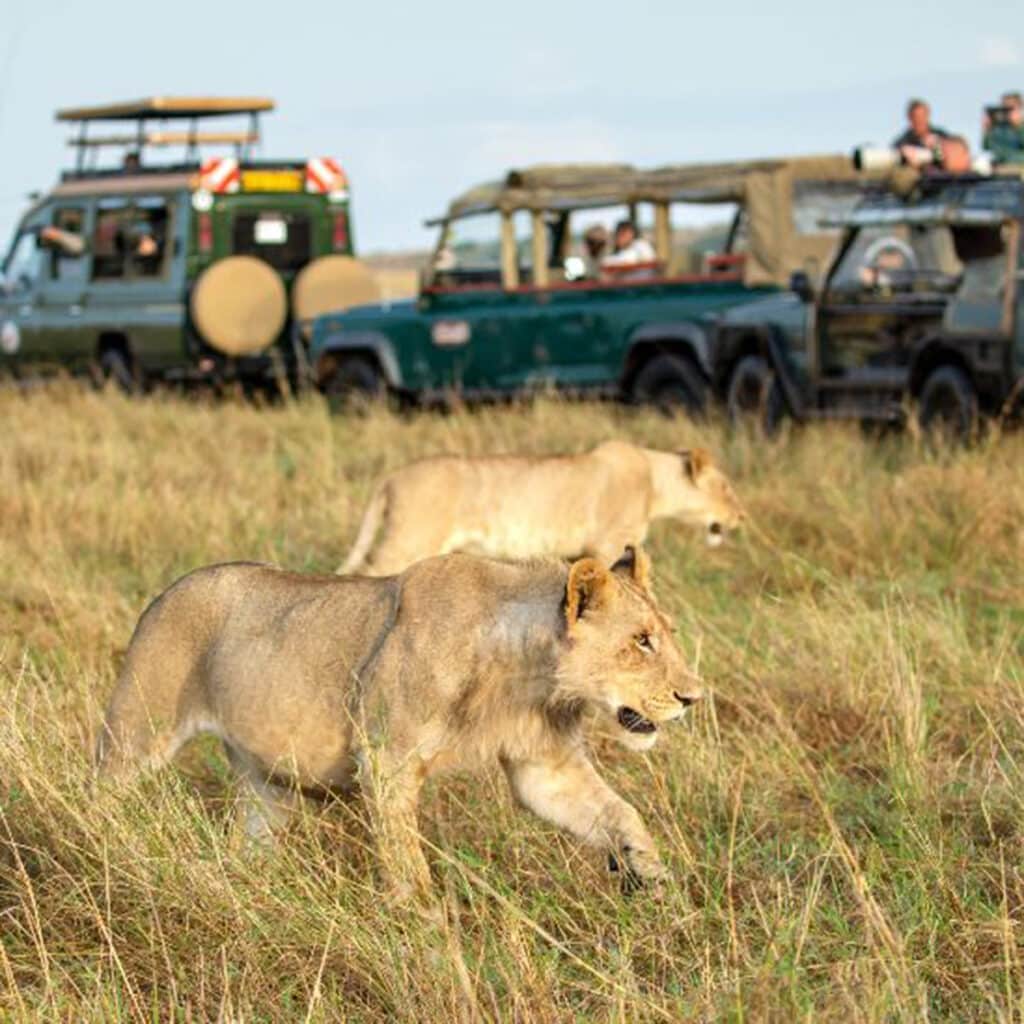
Another close call. Ngorongoro Crater is like nature’s amphitheater—dramatic, enclosed, teeming with wildlife. It’s an easy day trip, perfect for ticking off Big 5 sightings in record time.
But the Serengeti is wilder, more expansive, less predictable. If Ngorongoro is a brilliant symphony, Serengeti’s the full orchestra with improvisation.
Most tours do both. And that’s honestly the smart way to do it.
So, What’s the Final Word?
African safari tours Serengeti are more than just checking animals off a list. They’re emotional. They’ll make you whisper “wow” more times than you can count. But they take planning, budget, timing, and expectations all matter.
If you’re the kind of traveler who wants a deeper connection to wild places and the creatures that call them home, start here. Just don’t forget your binoculars… and a sense of wonder.
- Published in Uncategorized
Why Serengeti Tours Are the Ultimate Safari Adventure in 2025.
The Call of the Serengeti Tours
Close your eyes for a second. Can you hear it? The low rumble of hooves across golden plains. The distant roar of a lion under a starlit sky. That’s not a soundbite from a documentary—it’s the real Serengeti calling. There’s something magnetic about this place. Something primal and peaceful all at once.
In 2025, Serengeti Tours will offer something extra special. New eco-lodges blend luxury with sustainability. Tour routes are better organized and more immersive. And thanks to consistent weather patterns and conservation wins, wildlife sightings are more predictable than ever. This is the year if you’ve been dreaming of Africa—of wide skies, endless plains, and wild encounters.
So, ready to experience the adventure of a lifetime?
What Makes Serengeti So Different?.
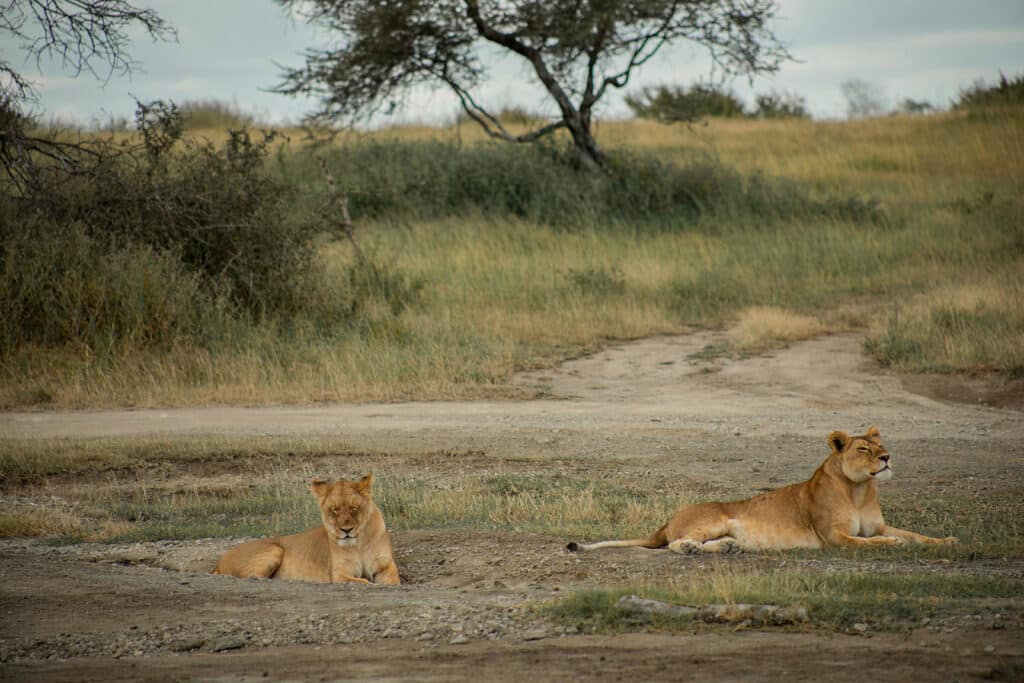
Let’s be honest: Africa’s no shortage of stunning national parks. But Serengeti? It’s in a league of its own. We’re talking about a UNESCO World Heritage Site that sprawls across 14,750 square kilometers—yep, that’s bigger than countries like Montenegro or the Bahamas.
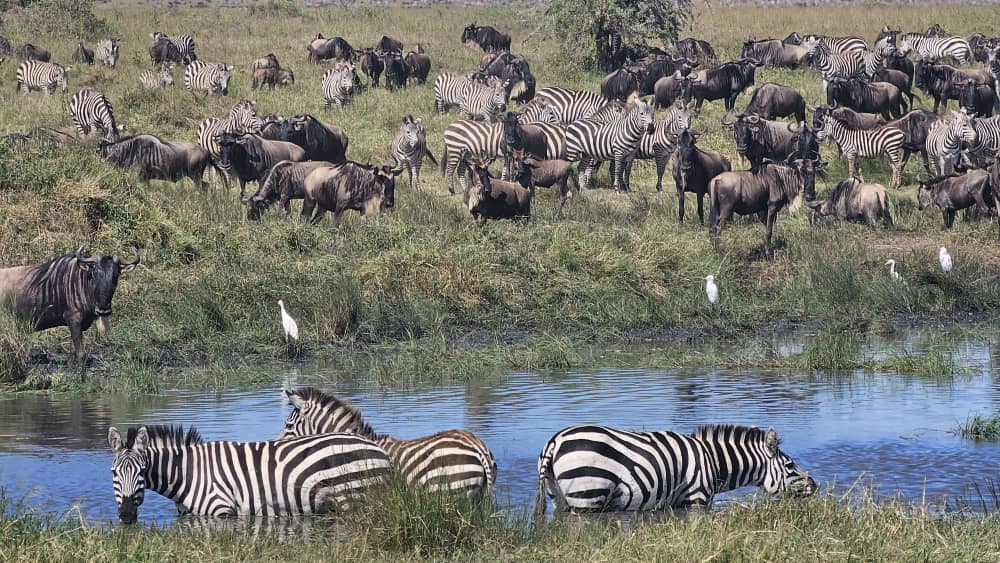
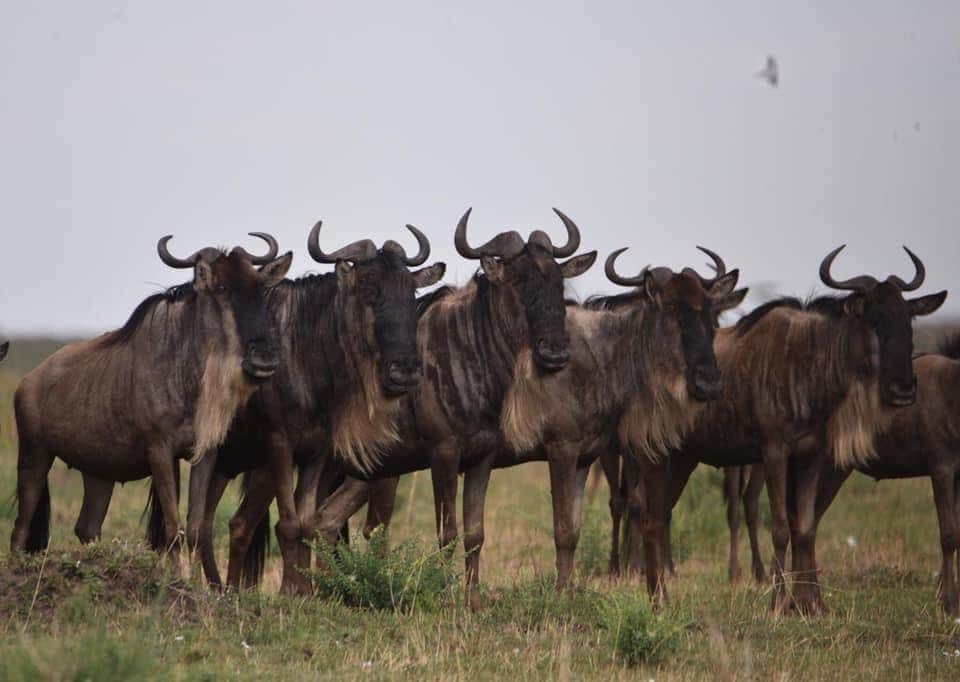
What sets Serengeti Tours apart is the sheer concentration and diversity of wildlife. Here, lions rule their pride, elephants wander in calm herds, and cheetahs streak across the horizon in full chase mode. And then there’s the Great Migration—arguably nature’s most jaw-dropping road trip. Picture millions of wildebeest (plus zebras and gazelles) trekking across the plains, braving crocodile-infested rivers, following ancient instincts. It’s not just a safari—it’s a front-row seat to Earth’s rawest theater.
Fun fact: “Serengeti” comes from the Maasai word Siringet, meaning “endless plains.” Once you see it, the name just makes sense.
Here’s What to Expect on a Serengeti Tour in 2025.

Now, let’s talk logistics—what’s a day on a Serengeti tour really like? For starters, expect early mornings. Wildlife gets up with the sun, and so will you (trust us, it’s worth it). Game drives in open-roof vehicles will get you ridiculously close to lions lounging in the shade or giraffes nibbling on acacia leaves.
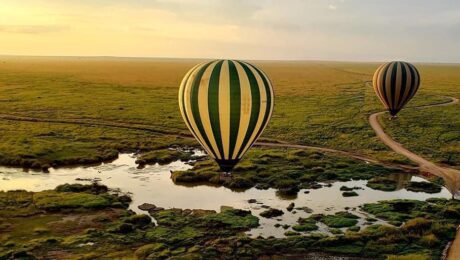
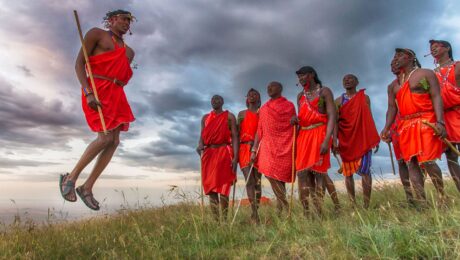
2025 brings even more thoughtful touches to Serengeti Tours. Many companies now offer hot air balloon safaris—floating silently above the plains as the sun rises is nothing short of magical. Some itineraries include visits to local Maasai communities, where storytelling, dance, and crafts create a real connection beyond the wildlife.
The cherry on top? Comfortable, eco-friendly lodges with actual beds (no roughing it required). Many camps now run on solar power, use local produce, and employ expert guides who don’t just know their stuff—they live it.
One guest, Rebecca from the UK, said, “I thought I was coming for the animals. But I stayed for the feeling. The Serengeti just… changes you.”
When’s the Best Time to Go? Let’s Break It Down
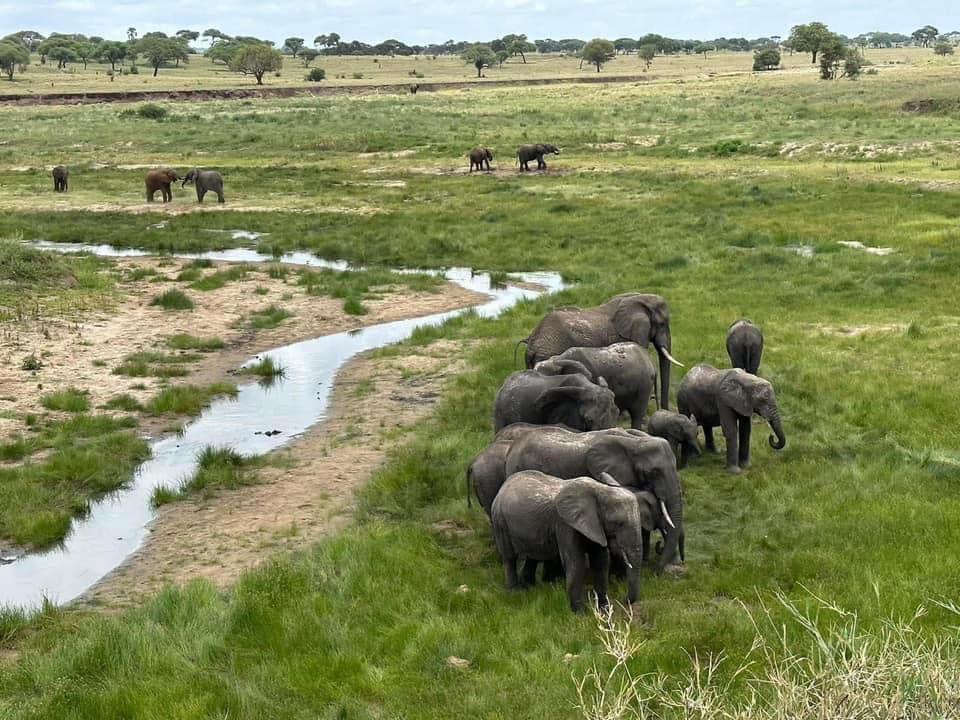
The Serengeti has no bad season, but depending on what you want to see, timing matters.
- June to October: Dry season and the best time for wildlife viewing. Animals gather around waterholes, and the grass is low, so you’ll spot more.
- July to September: Prime time for the dramatic river crossings during the Great Migration. Think chaos, suspense, and jaw-dropping moments.
- November to May: The green season. Yes, it rains—but landscapes are lush, skies are dramatic, and birdlife is at its best. Plus, fewer tourists mean more space for you.
A quick cheat sheet:
- Want lions and elephants galore? June–October.
- Hoping for baby animals and birds? January–March.
- Prefer fewer crowds and great deals? Try April or May.
You know what? Even the “off” months have a kind of quiet magic. It all depends on your rhythm.
Why Choose Our Serengeti Tours?.

You’ve got options—so why us?
First off, our Serengeti Tours keep group sizes small. No big buses. No being herded around. Just intimate groups, real connections, and time to breathe it all in.
Second, we’re big on sustainability. We partner with locally owned camps and community-run projects, so your travel dollars do good, right where they’re needed.
In 2025, we’re introducing exclusive perks: private sundowners, optional photography guides, and even a free cultural visit with every 7-day booking. Safety? Covered. Expertise? You bet. Our guides are locals with years of experience—and stories that bring the bush to life.
Honestly, the Serengeti sells itself. But if you want to see it with people who care deeply about your experience (and the land you’re walking on), let’s talk.
How to Make It Unforgettable: 5 Quick Tips
- Bring good binoculars. Your camera’s zoom won’t always cut it.
- Wear neutral clothes. Think olive, tan, or grey—bright colors can scare off animals.
- Book early. Especially if you want to visit during peak migration months.
- Pack a soft bag. Hard cases can be a nightmare in small safari planes.
- Keep a journal. Sounds old school, but trust us—you’ll want to remember the details.
Bonus tip? Bring curiosity. That’s the real secret ingredient.
So, What Are You Waiting For?
You don’t just go to the Serengeti—you feel it. It’s in the crunch of dry grass underfoot. In the hush that falls when a leopard appears. In the awe of standing still while the world runs wild around you.
2025 is shaping up to be a remarkable year for Serengeti Tours. The ecosystem is thriving, the visitor experience is better than ever, and the world is ready to reconnect with nature in a big way.
So here’s the question: What animal are you most excited to see on your Serengeti safari?
Book your Serengeti tour today and step into the wild.
- Published in Uncategorized
Tanzania Serengeti Safari in Every Season: What to Expect Month by Month
Ever wondered if there’s a “perfect time” to go on a Tanzania Serengeti Safari? Truth is, each month in the Serengeti brings its rhythm, like a 12-part symphony of nature. Some months whisper with calm savannah breezes and scattered antelope. Others roar with hooves, dust, and drama as hundreds of thousands of wildebeest move in unison across golden plains. So, let’s walk through it together—month by month—not just with weather charts and wildlife stats, but with what it feels like to be there.
January & February – Baby Boom and Golden Mornings

This is calving season in the southern Serengeti and parts of the Ndutu area. Picture a sprawling green carpet, dotted with thousands of newborn wildebeest wobbling beside their mothers. Predators? Oh, they’re around—cheetahs and hyenas mostly—because nature’s calendar is always on time.
The weather? Warm, with scattered showers that bring life, not disruption. If you’re not keen on crowds and want to witness the raw miracle of life (and, okay, a bit of chasing), this is your moment. Tanzania Serengeti Safari in January or February has a softer, more intimate feel—but it’s anything but dull.
March – The Calm Before the Long Rains
By March, the wildebeest herds are still hanging around the Ndutu and southern plains, but you’ll notice a quietness settling in. The grass is tall, the skies get moodier, and the big cats get sneakier. It’s a month full of anticipation—before the rain, before the march north.
This time of year feels… reflective. You’re not chasing wildlife; you’re settling into it. Just you, your camera, maybe a cup of strong Tanzanian coffee in hand, and the rustling grass.
April & May – Green Season’s Secret.
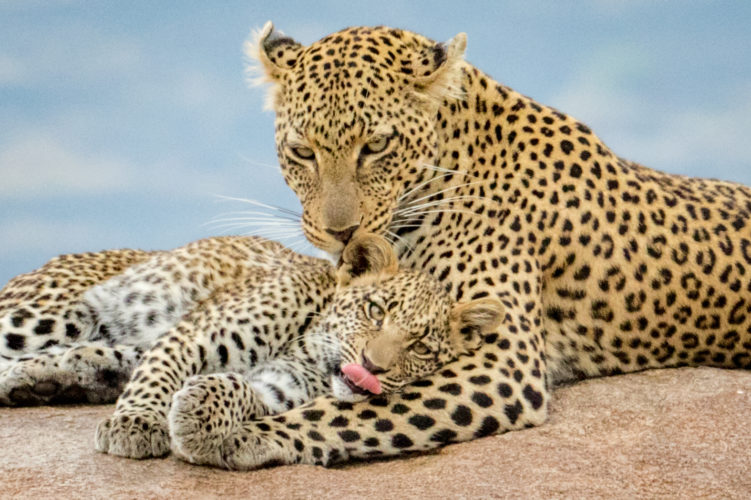
Here’s where many folks pause. April and May are the long rainy months, and yes—it’s muddy. Yes, the roads can be messy. But also yes—there’s a wild, emerald beauty to it. The central and western Serengeti light up with color, and the animals? Still there. Still living, hunting, resting.
Fewer tourists mean better lodge rates and quieter sights. Tanzania Serengeti Safari during these months is for those who don’t mind a bit of adventure (and maybe a rain poncho). You’ll get epic skies and that smell of rain on dry earth—that’s a sensory souvenir most don’t get.
June – Migration on the Move
Let’s talk drama. June is when the Great Migration starts pushing north through the Western Corridor, snaking toward the Grumeti River. The crossings aren’t as famous as the Mara ones, but still—it’s wild. Crocodiles lurk in chocolate-colored water, and wildebeest make nervous decisions at the river’s edge.
Weather-wise? Cool mornings, pleasant afternoons, and the occasional chill that makes a fireside sundowner all the more satisfying. If your Tanzania Serengeti Safari dreams involve movement, tension, and moments that make your heart skip a beat, June is calling.
July & August – The Northern Showdown
This is prime time. Northern Serengeti and the Mara River take center stage, with daily crossings that feel like nature’s version of a coin toss. Will they cross? Will they wait? Will a crocodile show up?
Lodges get booked months in advance, and for good reason. It’s dry, cool, and teeming with action. Tanzania Serengeti Safari in July and August is iconic, especially if you love photography or storytelling. Honestly, even seasoned guides still get goosebumps during a river crossing. It’s that powerful.
September – The Great Migration’s Pause
By now, the wildebeest are spread out across the northern reaches, some flirting with Kenya’s Masai Mara border, others sticking to the safari Tanzania Serengeti side. Crossings still happen, but they’re fewer—and that’s not a bad thing. It feels more relaxed, more contemplative.
Game viewing is still excellent, and the weather is ideal—dry, sunny, crisp in the mornings. If you like your Serengeti Safari with a little less chaos but still plenty of wildlife, September is a gem.
October – The Slow Slide South
As October rolls in, the herds begin their slow retreat. They move southward in search of fresh grazing, almost like they know the rains are coming soon. The central Serengeti becomes alive again, especially Seronera, a region known for year-round wildlife and classic big cat sightings.
This month is a bit of everything—movement, sightings, mild weather, and fewer crowds. It’s a great time for first-timers and seasoned safari-goers alike.
November – Short Rains, Big Views
November is the season of “short rains,” and while it sounds gloomy, it’s more like nature’s refresh button. Afternoon showers, dramatic skies, and sprouting green across the plains. The herds are back in the central and southern zones, gathering again for the next chapter.
A Serengeti Safari in November feels raw and real. Less polished than July, more alive than May. The air smells different. The light hits differently. And the animals? They don’t take days off.
December – A Wild Holiday.
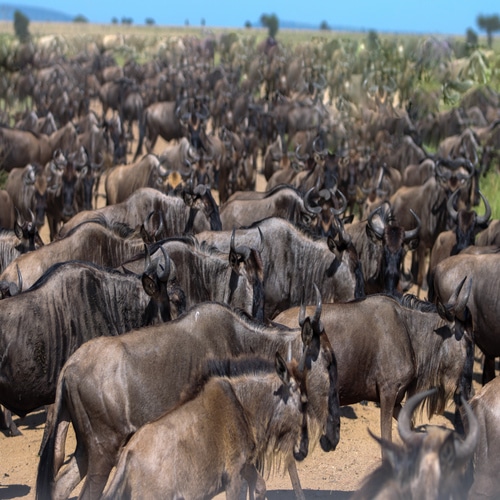
What better way to end the year than surrounded by acacia trees and wildlife symphonies? December in the Serengeti is lush and vibrant, especially in the southern plains where the wildebeest have returned. Calving hasn’t started yet, but the anticipation is thick.
It’s also a festive month. Many travelers from Europe and America trade snow for safari sunsets. If you plan early, you’ll secure a spot before the holiday rush. A Serengeti Safari in December might just be the best gift you give yourself.
So, When Should You Go?
It depends on what pulls at you. The quiet of March? The chaos of July? The green lull of May? Serengeti doesn’t have an off-season—it just changes its tune each month. That’s the beauty of it.
And here’s the thing: no matter when you come, the Serengeti gives you something. Sometimes it’s lions in the golden grass. Sometimes it’s just silence and space—the kind that changes you a little. So maybe the best time to go on a Serengeti Safari… is when you need it most.
Let me know if you’d like help with a matching itinerary, seasonal safari map, or photo inspiration.
- Published in Serengeti park
A Day in the Life on a Serengeti Safari Tour
Morning Mist & Roaring Lions: What Wakes You Up in the Serengeti
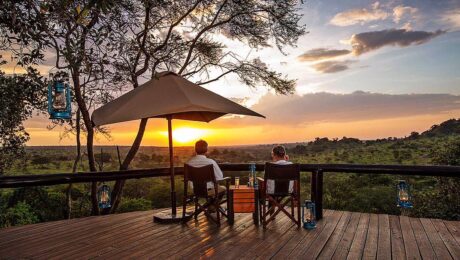
Let’s set the scene. It’s around 5:30 AM. Not the kind of morning where you hit snooze—this one’s different. The air is crisp, quiet in a way that feels sacred. You’re wrapped in a thick blanket on the porch of a luxury tent, sipping spiced tea while the sky blushes into shades of peach and lavender. And then—there it is. That low, guttural growl in the distance. A lion. Probably pacing not too far off. Welcome to the Serengeti Safari Tour.
Honestly, nothing quite prepares you for the raw stillness of these early hours. It’s not just a sunrise—it’s the curtain rising on nature’s most dramatic theatre.
Where the Wild Things Really Are: The Star Attractions

Let me explain something quickly—when people say “The Big Five,” they mean big. There’s something unreal about watching a lumbering elephant cross your path or spotting a leopard draped across an acacia branch like royalty. But the Serengeti’s real showstopper? The Great Migration. Two million wildebeest, zebras, and gazelles are kicking up dust as they barrel across the plains in search of water. It’s chaos. Beautiful, muddy, dangerous chaos.
And if birds are your thing—well, you’re in luck. Over 500 species call this place home. From iridescent starlings to quietly regal crowned cranes, it’s like nature’s own jazz band—wild, diverse, and completely improvised.
Game Drives, Balloon Dreams & Walks with Purpose

Of course, no Serengeti Safari Tour would be complete without the quintessential game drive. Imagine bumping along red-dirt tracks in a rugged Land Cruiser, the radio crackling with updates like, “Lions spotted near the kopjes!” Your guide hits the gas—game on.
But there’s more. Ever floated above a herd of giraffes in a hot-air balloon at sunrise? It’s surreal. The quiet up there is almost eerie—except for the occasional whoosh of the flame overhead. And when your feet touch the ground again, there’s a champagne breakfast waiting. Naturally.
For those who like to walk on the wild side—literally—guided walking safaris give you the chance to get close to nature. You’ll learn to track animals, read droppings (yes, really), and listen to the land in a way that’s borderline spiritual.
Where You Sleep Matters (and it’s never basic)
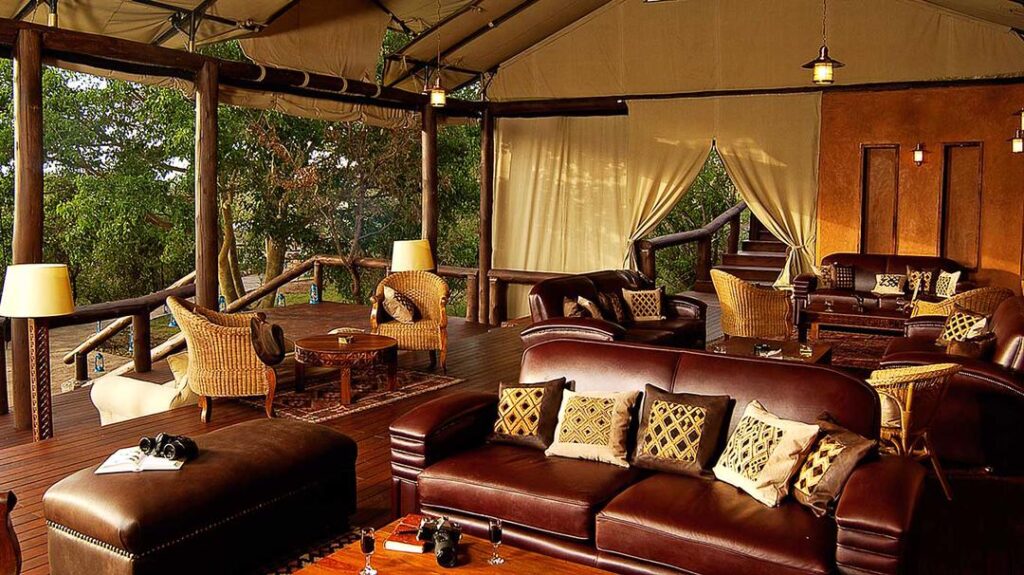
So here’s the thing. The Serengeti isn’t just about the wild—it’s also about how you experience it. Some folks go rustic with eco-friendly tented camps that blend right into the landscape. Think solar lanterns, bucket showers, and meals cooked over open flames. Others lean luxury: private plunge pools, full bars, and Wi-Fi strong enough to FaceTime your cousin in Belgium.
Either way, there’s one constant—you’re never far from the sounds of the wild. Nighttime here is a lullaby of crickets, distant hyena laughter, and, if you’re lucky, the low huff of a lion strolling nearby. Sleep comes easy when the sky above is bursting with stars you didn’t know existed.
The Guides? They’re Half the Magic
Let’s not skip this. The guides on a Serengeti Safari Tour aren’t just there to point out animals. They’re storytellers, trackers, historians, sometimes therapists (especially if you panic when a buffalo stares too hard).
Most were born nearby. They know this land like we know our favorite coffee shop—every curve, every birdcall, every scent in the wind. Their presence is equal parts comfort and curiosity. You’ll laugh, you’ll learn, you might even cry a little when the tour ends.
What Sets This Tour Apart? More Than You’d Expect
Now, you’re probably wondering—what makes this Serengeti Safari Tour different from the dozens out there? Fair question.
Well, start with the basics. Private or group? You choose. Prefer your own vehicle and guide? Done. Want a group to share stories and swap snacks with? Also doable.
But here’s where it gets better: our itineraries flex around you. Want to skip a drive and chill at camp? Cool. Want a photography-focused tour or one that includes Maasai village visits? No problem.
And for the conscious traveler—yes, we care too. Many of our partner camps are community-run or donate a portion of their proceeds to local conservation. It’s not just a safari. It’s a chance to be part of something bigger.
So, How Long Should You Stay? Where Do You Start?
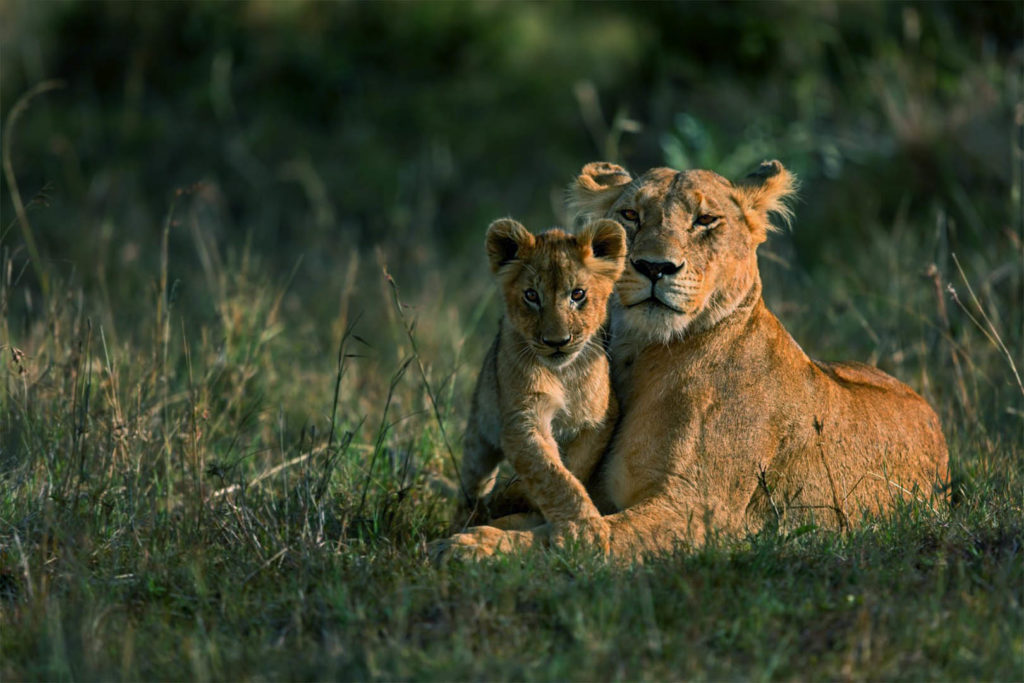
The sweet spot is 5 to 7 days. That gives you time to settle in, adjust your internal clock to “wilderness mode,” and absorb it all. You can start your Serengeti Safari Tour from Arusha or Kilimanjaro International Airport. Both are convenient and scenic in their way.
And what’s included? Pretty much everything. Transport, park fees, meals (expect fresh local produce and rich stews), drinking water, and a guide who becomes part of your story. Pro tip?
Come during the dry season (June to October) for clearer views and optimal wildlife spotting. But hey, the green season (December to March) brings baby animals—and who doesn’t love baby animals?
Don’t Just Take Our Word for It
One traveler from Italy—Giovanna, age 62—told us, “I thought I was coming to see animals. I left feeling like I touched the soul of the Earth.” Another guest from Texas described the tour as “a spiritual reset I didn’t know I needed.”
And then there are the photos. Sunset silhouettes of giraffes, elephants with dust halos, lions squinting into the heat. Honestly, your camera roll will thank you.
Ready for the Wildest Day of Your Life?
So here’s what we suggest—stop scrolling. If this stirred something in you (and let’s be real, how could it not?), let’s talk. Send us a message. Ask questions. Dream out loud.
Click here to plan your Serengeti Safari Tour—and start your own story under the African sun.
- Published in Serengeti park
Discover the Hidden Gems of Serengeti Safari National Park

Beyond the Great Migration: Discover the Hidden Gems of Serengeti National Park.
You’ve seen the documentaries. You’ve scrolled through jaw-dropping Instagram reels of wildebeest herds stampeding across muddy rivers, chased by hungry crocodiles. And yeah—if you’re planning a safari in Africa, you’ve probably heard that the Great Migration is the showstopper in Serengeti National Park. But here’s the thing: the Serengeti isn’t a one-hit wonder. Not even close. There’s an entire world quietly humming behind the spectacle, waiting for travelers like you to slow down and see it.
Serengeti National Park isn’t just about the masses—it’s about the moments. The quiet stare of a lioness hidden in golden grass. The eerie call of a hyena under a moonlit sky. The way time seems to melt away under an acacia tree as zebras graze in the distance. Honestly, if you’re only here for the migration, you’re missing out on the soul of the Serengeti.
So Much More Than Wildebeest
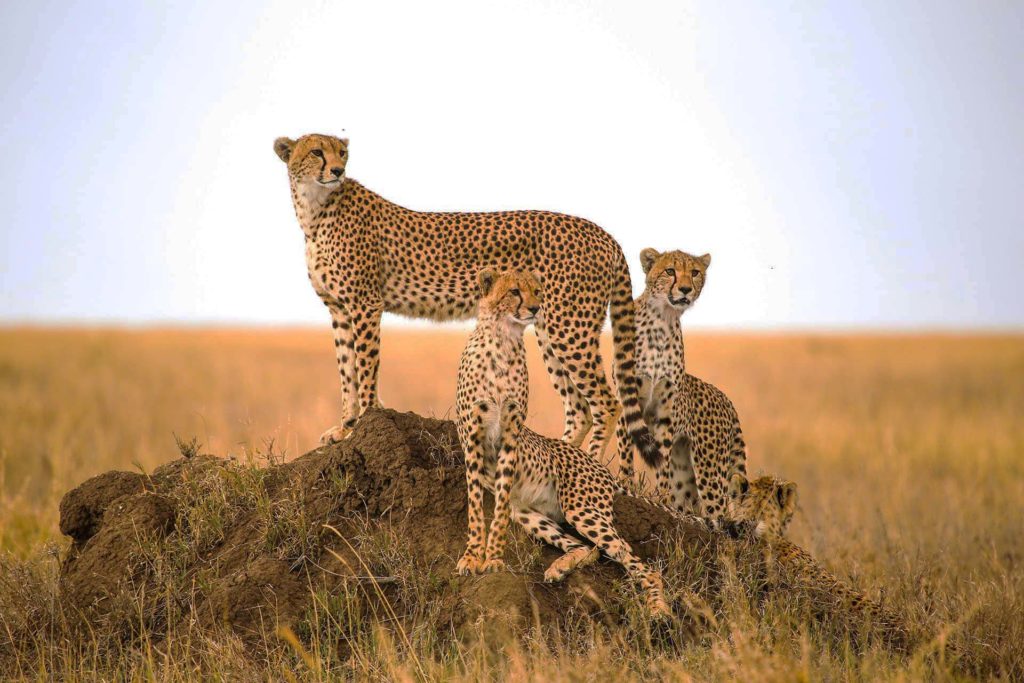
Let’s be clear: yes, the Great Migration is spectacular. But what happens when the herds move on? That’s when the real Serengeti safari reveals itself. This vast ecosystem—stretching over 14,000 square kilometers—is home to some of the most dramatic, intimate, and overlooked experiences in all of East Africa.
Think about it. When was the last time you heard someone rave about the Moru Kopjes? These ancient granite outcrops are like nature’s fortresses. Lions bask on their sun-warmed ledges. Rock hyraxes dart through crevices. And in the distance, Maasai paintings whisper stories from centuries ago. No crowds. Just silence and history.
Let’s Talk Big Cats—Without the Chaos

If you’ve ever wanted to see a leopard in peace-no—engine noise, no camera clicks, no safari vehicles jostling for position—then the central and southern Serengeti plains are your golden ticket. When the migration shifts north, the resident predators remain. Cheetahs, with their lightning-speed sprints across open plains. Leopards draped lazily over tree branches. Lions are doing what lions do best—napping in the sun until it’s time to hunt.
The best part? Your guide isn’t rushing to follow the herd. You can sit. Watch. Breathe. Let the rhythm of the wild set the pace.
Green Season: When the Serengeti safari Turns Magical
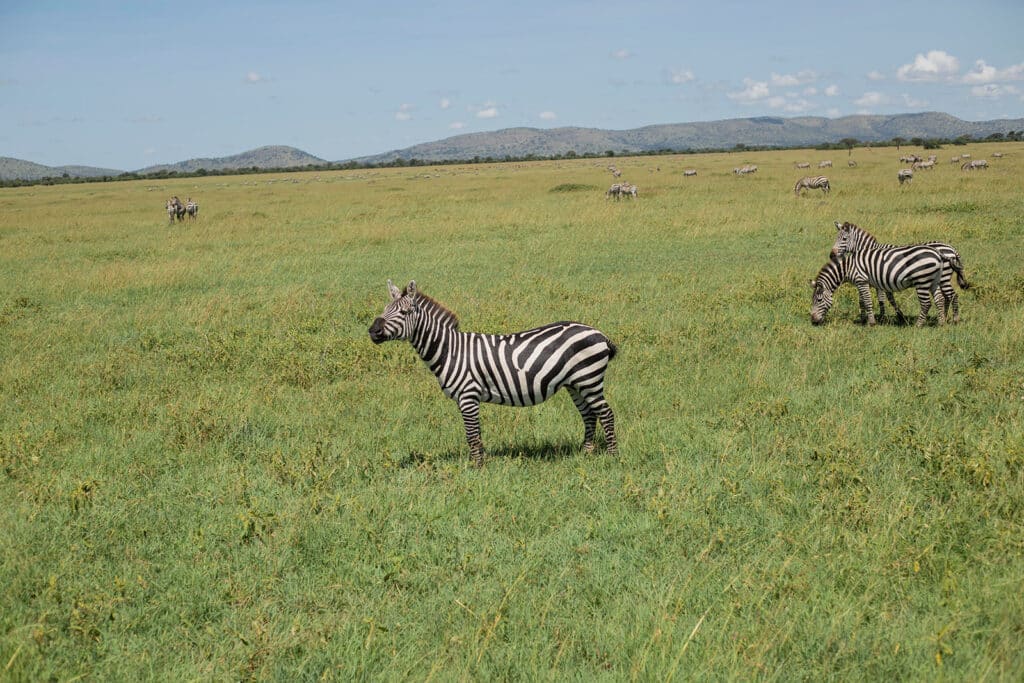
Here’s a little secret the tour brochures won’t tell you: the Serengeti safari during the green season (roughly November through March) is pure magic. Picture dramatic skies, electric thunderstorms, and lush landscapes so vibrant they look surreal. Fewer tourists. More intimate encounters. And the chance to witness the calving season, when thousands of newborn wildebeest take their first wobbly steps, drawing predators and creating moments of raw, unscripted drama.
Yes, you might get rained on. But you’ll also witness the Serengeti at its most alive.
Hidden Corners: The Ones Most People Miss
There’s a part of Serengeti National Park where the roads get dusty, the signs disappear, and suddenly… you’re alone. Places like the remote corners of the eastern Serengeti safari or the untouched plains near Namiri. These aren’t drive-by photo ops. They’re immersive, slow-burn experiences—the kind that linger in your memory long after your camera battery dies.
You might stumble upon a pack of African wild dogs—rare, elusive, hauntingly beautiful. Or camp beneath skies so clear you feel like you could scoop up the stars. It’s not polished. It’s not packaged. But it’s deeply, profoundly real.
People of the Land: Culture Beyond the Wildlife
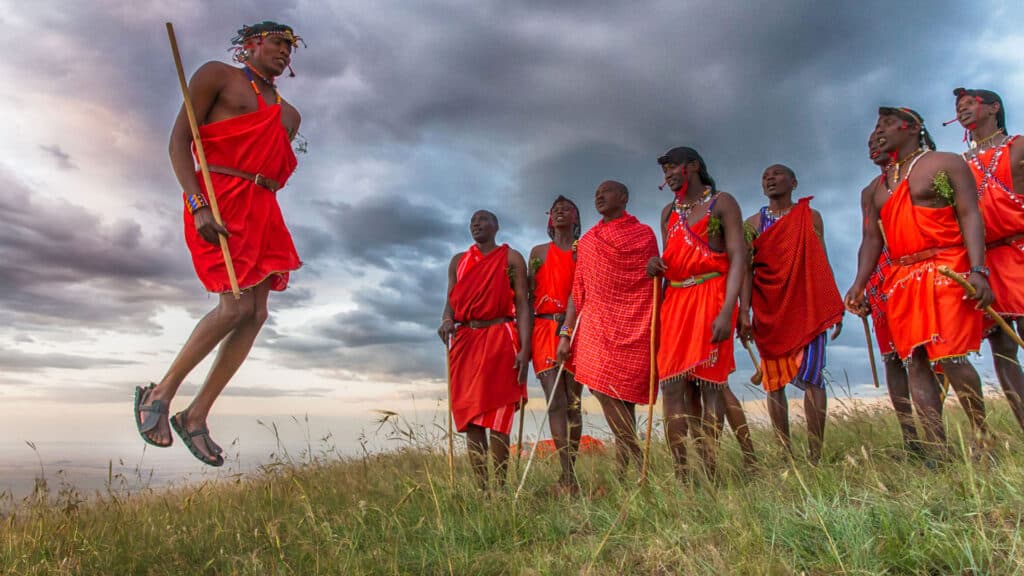
Let’s not forget that the Serengeti safari isn’t just wildlife. It’s people. Culture. Legacy. Spend an afternoon with a Maasai elder and you’ll quickly realize this land hums with stories older than any travel guide. Learn how they coexist with lions. How they read the land. How they’ve passed knowledge through generations without ever writing it down.
You know what’s beautiful? That blend of wild and human. It reminds you that safaris aren’t just about what you see, but what you feel.
Where You Stay Changes Everything
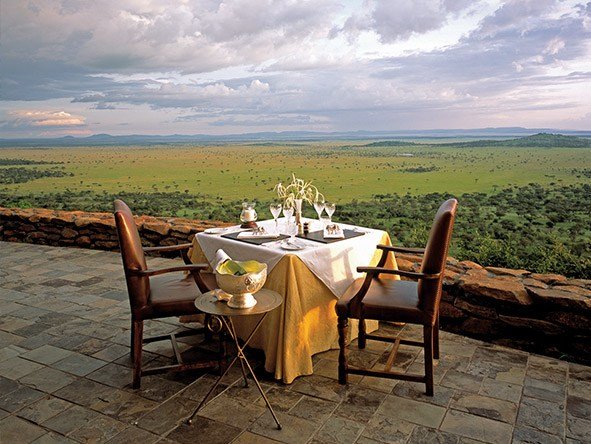
Luxury lodges with infinity pools overlooking the savannah? Absolutely. Tented camps where zebras graze outside your canvas walls? Even better. But no matter your style, the best places in Serengeti National Park aren’t just accommodation—they’re storytellers.
Ask about properties near Moru Kopjes, or mobile camps that move with the seasons. Some of the most unforgettable mornings begin with a knock at your tent, a tray of coffee, and the soft light of dawn spilling across the grasslands. If you’ve been there, you know. And if you haven’t—well, you’re in for something special.
What’s the Rush?
Here’s a little advice: don’t rush it. The Serengeti safari isn’t something you check off a list. It’s something you let seep in. So skip the frantic multi-park tours. Stay longer. Follow the rhythm of the plains. Let yourself get bored—because that’s when you start noticing the little things. A dung beetle rolling its prize. The distant drumming of a summer storm. The stillness before the hunt.
Final Word: Serengeti National Park Deserves Your Full Attention
If you’re planning that once-in-a-lifetime African Serengeti safari, and Serengeti National Park is on your list—great. But give it more than a glance. Go beyond the Great Migration. Find the corners where time stands still, where the stories run deeper, and where the silence speaks volumes.
Because the Serengeti isn’t just a place. It’s a presence. And once it finds a home in you, it never really leaves.
- Published in Serengeti park
How to Find the Best Deals for Climbing Kilimanjaro.
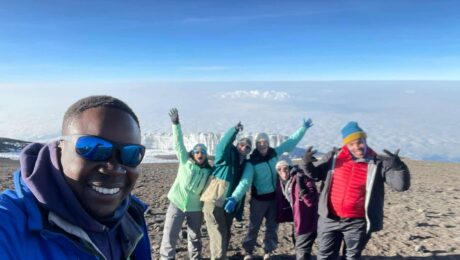
So, you’ve decided to conquer Mount Kilimanjaro, one of the Seven Summits and a bucket-list experience for many adventurers. But, you’re probably wondering, “How much is this epic journey going to cost me?” It’s a fair question. Whether you’re dreaming of standing at the summit, soaking in the sunrise, or simply ticking this off your travel bucket list, there’s no denying that climbing Kilimanjaro requires a bit of financial planning. But don’t worry—we’ve got you covered with tips on how to score the best deals for this once-in-a-lifetime adventure
Overview of Kilimanjaro Climb Costs.
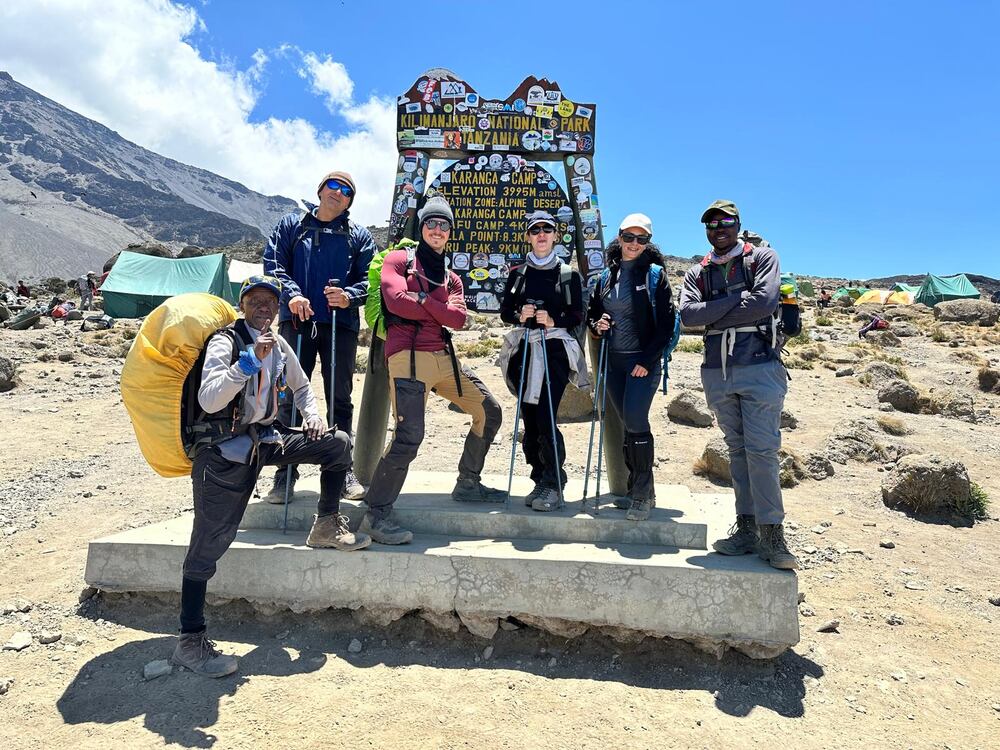
First things first, let’s talk money. Climbing Kilimanjaro is not a cheap endeavor. The cost for a trek can range from about $1,500 to upwards of $5,000. Now, before you get nervous about your savings account, take a deep breath. There’s a lot of flexibility in this range, and how much you’ll pay depends on many factors (which we’ll break down in just a sec).
If you’re going for the budget-friendly option, you might spend closer to $1,500. However, if you’re looking for a more luxurious experience with extra perks, you’re looking at prices that could easily exceed $4,000 or more. The price difference mostly comes down to the level of service, the route you choose, and the time of year you go.
But here’s the thing—just because you see a lower price tag doesn’t mean you’re sacrificing quality. With the right research, you can find the perfect balance between cost and quality. Let’s dive into how to navigate these price variations.
Factors Influencing the Cost
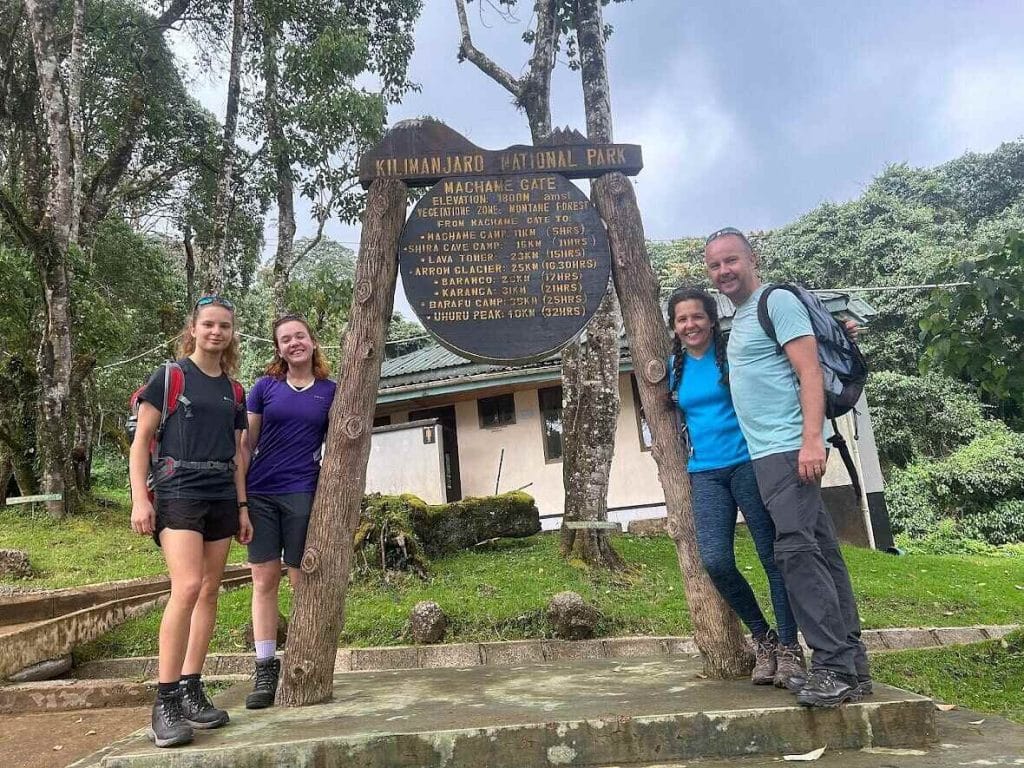
You might think the price of climbing Kilimanjaro is straightforward, but there are quite a few variables to consider. Here’s a breakdown of the key factors that will impact what you pay:
Route Choice
Did you know that there are seven main routes to the top of Kilimanjaro? Each one has its own level of difficulty, popularity, and—yep, you guessed it—cost. For example, the Machame Route is the most popular and usually costs a little more, while the Marangu Route, which is considered easier, can be a bit more affordable. The longer and more challenging the route, the higher the price tends to be.
Tour Operator
Not all tour operators are created equal. Some might offer luxury experiences with personal guides, while others provide a more basic package. The level of service, quality of guides, and amenities (like tents, meals, and porters) can vary dramatically. So, it’s worth doing your homework to find a reputable operator that fits your budget and expectations. Look for operators with good reviews and the necessary certifications, and ensure they prioritize safety.
Seasonality
When you choose to climb can make a big difference to your costs. High season—usually from June to September and December to February—tends to bring higher prices, while the off-season can offer more budget-friendly options. If you’re flexible, going during the off-peak months (March-May or November) could save you a good chunk of change.
Group Size
Another factor that can affect cost is whether you join a group or go solo. Going solo can be pricey because you’ll have to cover the costs of the entire crew, including guides and porters. On the flip side, joining a group trek spreads the costs out, often making it a more affordable option.
Duration of the Climb
Longer climbs generally mean higher prices. While most treks last 6-9 days, some operators offer longer or shorter options, which can affect the total cost. Be sure to weigh your time constraints against your budget before committing to a specific duration.
Inclusions
When comparing different tour packages, check what’s included. Basic packages might cover just the climb itself—guides, porters, park fees, etc.—but luxury options could add extra perks like better meals, upgraded accommodations, or even personal assistants. You don’t want to get caught off guard with extra costs down the line, so make sure you know exactly what’s included.
How to Compare Different Operators
Here’s where the rubber hits the road: finding a good deal. When comparing Kilimanjaro tour operators, price isn’t everything. Quality matters too. Here are a few tips to help you narrow down your options:
- Service Level: Does the company provide top-notch equipment? Are their guides experienced? What kind of support will you have throughout your climb?
- Reviews: Look up reviews on trusted sites like TripAdvisor, Google, or independent travel blogs. Real experiences from fellow trekkers can give you a good sense of what to expect.
- Certifications: Make sure the operator is properly licensed and adheres to safety standards. The Kilimanjaro National Park Authority requires guides and porters to be certified, so don’t hesitate to ask for proof.
- Websites and Resources: Websites like KiliPartners, Kilimanjaro Guide, and SafariBookings can help you compare prices and services offered by various operators.
Take your time here—this is where you can avoid unpleasant surprises. It’s tempting to choose the cheapest option, but make sure it’s a reputable company that values your safety and comfort.
Discounts and Promotions
If you’re trying to save some cash (who isn’t?), keep an eye out for deals. Booking during the off-season, for example, can help you snag a better price. Many operators offer discounts for group bookings or early bird specials. Some also have partnerships or affiliate programs that give you access to discounts, so it’s worth asking.
Another tip? If you’re flexible with your dates, you may find discounted rates for last-minute bookings, especially if a company is trying to fill empty spots. It’s all about timing and being proactive.
Essential Considerations Beyond Price
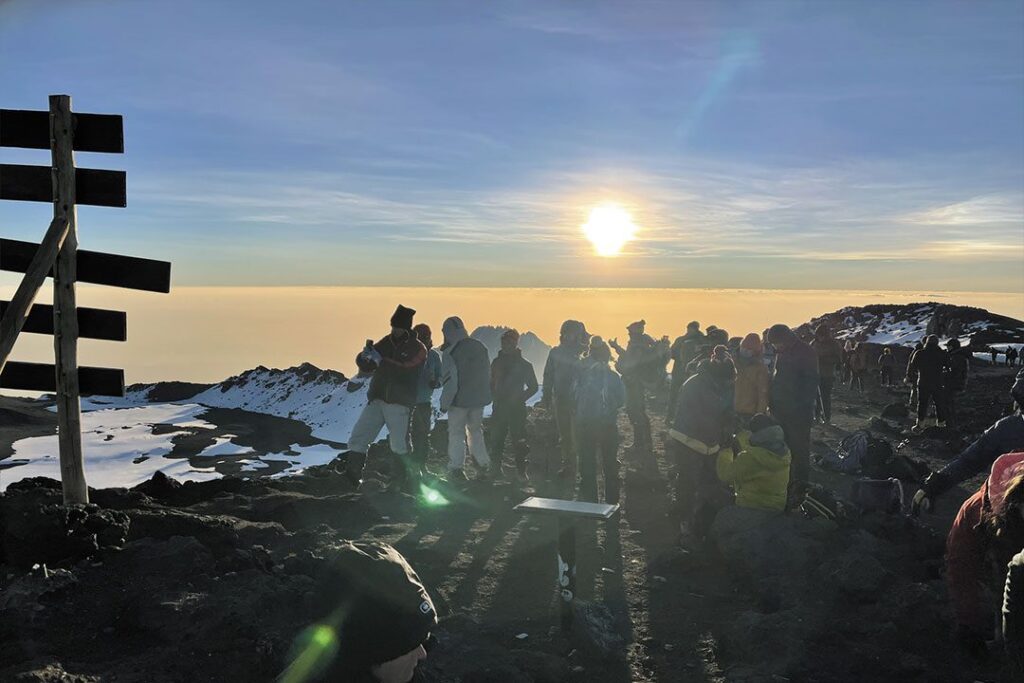
It’s easy to get caught up in chasing the best price, but don’t forget that safety and quality should always come first. Ensure your operator is prioritizing the welfare of their staff, particularly porters. Ethical practices, like fair wages and proper equipment for porters, are essential for a responsible and sustainable experience.
Also, think about the experience itself. Will the operator provide adequate support, such as experienced guides, quality equipment, and reliable communications in case of emergencies? A cheap price isn’t worth it if it compromises your safety or the overall experience.
Budgeting Tips
There are a few extra costs beyond the base price of the trek, and it’s important to factor these into your budget:
- Gear: You’ll need the right clothes, footwear, and accessories. You don’t need to buy everything brand-new—consider renting or buying second-hand.
- Tips: Porters, guides, and cooks expect tips, which can be anywhere from $150 to $250 per person, depending on the size of your group.
- Travel Insurance and Visa: Make sure you have travel insurance that covers climbing activities. You’ll also need to factor in visa costs if applicable.
One great tip? Book early to avoid price hikes and to secure the best deals.
How to Avoid Hidden Costs
No one likes surprises, especially when it comes to money. Here are a few hidden costs to watch out for:
- Park Fees: These are typically included in your tour price, but always double-check.
- Equipment Rentals: If you don’t have the right gear, some companies may charge extra for renting it.
- Optional Add-Ons: Keep an eye on any extra services, like extra days on the mountain or guided tours before or after your climb.
Be sure to clarify all costs upfront to avoid any unexpected fees later.
In the end, climbing Kilimanjaro isn’t just about the price—it’s about the experience. Do your research, plan ahead, and choose an operator that meets both your budget and safety standards. After all, this is the trip of a lifetime! You’ll want it to be everything you dreamed of, without the stress of unexpected costs.
Ready to take the next step? Let’s get you on the path to the summit!
- Published in mount Kilimanjaro
How Much Does It Cost to Climb Kilimanjaro?

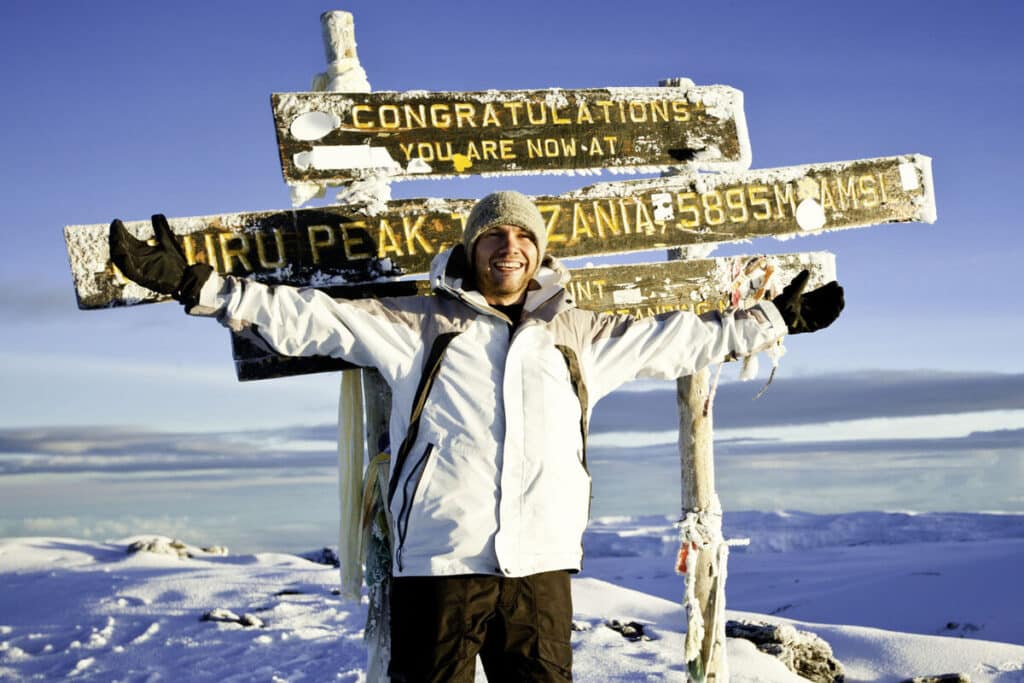
Climbing Mount Kilimanjaro is the kind of adventure that calls out to you in the middle of your daily routine, pushing you to go beyond the ordinary. Whether you’re standing in awe before the snow-capped peaks or conquering each step to the summit, Kilimanjaro offers an experience that can’t be replicated anywhere else. But, like any great journey, it comes with a price. So, how much does it cost to climb Kilimanjaro? Let’s break it down.
Why is Climbing Kilimanjaro so Expensive? A Breakdown of Expedition Costs.
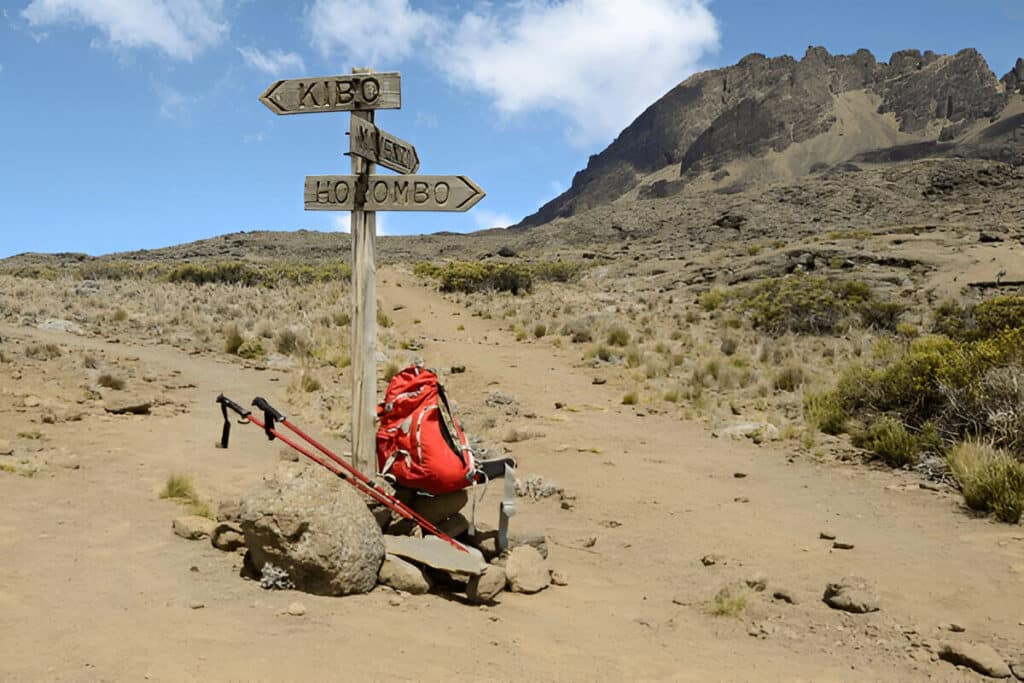
Before diving into numbers, let’s talk about why Kilimanjaro expeditions are so pricey. It’s not just about paying for the climb itself—it’s about everything that goes into making it possible. First, you’re paying for a fully-supported trek, which includes experienced guides, porters, cooks, and essential gear. This isn’t just a hike; it’s a full-service mountain adventure. With Kilimanjaro being a protected national park, there are also entry fees, environmental conservation fees, and various permits you’ll need to secure.
But, of course, you’re not just paying for logistical support. You’re also paying for safety. The conditions on the mountain can be harsh, with altitude sickness and unpredictable weather being real concerns. Therefore, the cost also reflects the medical services and emergency preparedness available to climbers.
Which Additional Costs Should You Consider for Kilimanjaro?
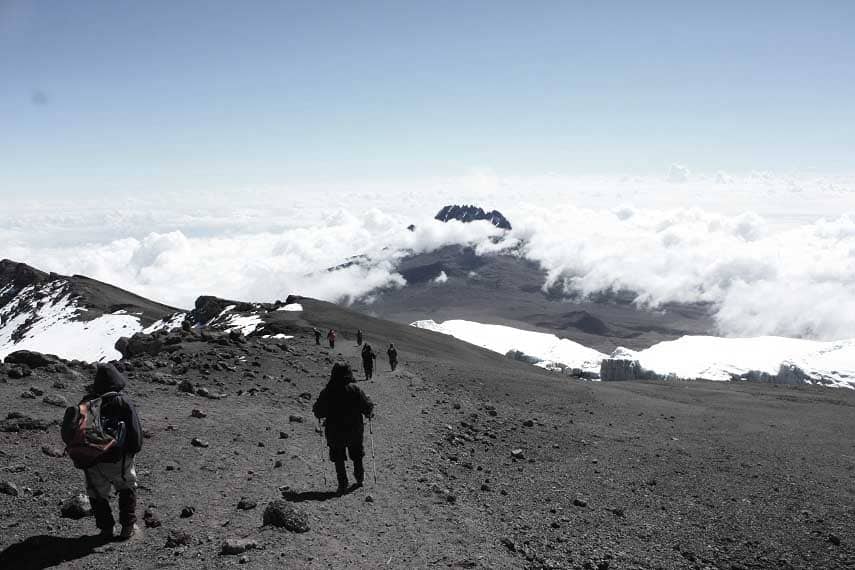
Let’s not forget the “extra” costs that can add up quickly. Think about equipment, travel insurance, tips, and meals. Here’s a closer look:
- Gear: Depending on your current hiking equipment, you might need to purchase or rent things like hiking boots, a sleeping bag, and clothing for cold temperatures.
- Travel Insurance: A must for any adventure travel. Make sure your insurance covers high-altitude trekking, medical evacuations, and other potential issues.
- Tips: Porters, guides, and chefs are usually tipped at the end of the climb. While it’s not mandatory, it’s an important part of the local culture and a way to show appreciation for their hard work.
- Flights: International travel to Tanzania can vary greatly depending on where you’re flying from. Don’t forget to factor in the cost of your flight.
In short, you’re not just paying for the climb itself; you’re also paying for all the additional services that make it a truly unique and safe adventure.
How Much Does It Cost to Climb Kilimanjaro Per Person?

So, how much does it cost to climb Kilimanjaro per person? On average, a standard 5-7 day trek costs anywhere between $1,500 to $3,000 USD. The cost depends on several factors, including the route you choose, the time of year, and the level of service you opt for.
For example, if you go for a cheaper route with minimal frills, you might find options as low as $1,500 USD. But if you want something more luxurious—perhaps a private tour with enhanced services—it can easily push toward the $3,000 USD mark.
Group vs. Private Expeditions: What’s the Difference?
When it comes to choosing between a group or private expedition, the cost can vary significantly. A group expedition is usually cheaper because you’re sharing the cost of the guides, porters, and all other logistics with other climbers. This is ideal for those who are okay with the idea of joining a larger group of strangers.
On the other hand, a private expedition offers a more personalized experience. You’ll have a dedicated guide and more flexibility in terms of pace, timing, and route. However, private expeditions can be significantly more expensive—think $4,000 to $5,000 USD or more, depending on the level of luxury.
How Much Does It Cost to Climb Kilimanjaro in Rands?
If you’re traveling from South Africa or other African countries, you may be thinking in South African Rands (ZAR). In general, the cost to climb Kilimanjaro in Rands is about R25,000 to R45,000 per person. This estimate is for the standard 5-7 day trek, and as with USD, the total cost can fluctuate based on the same factors.
How Much Does It Cost to Climb Kilimanjaro in Pounds?
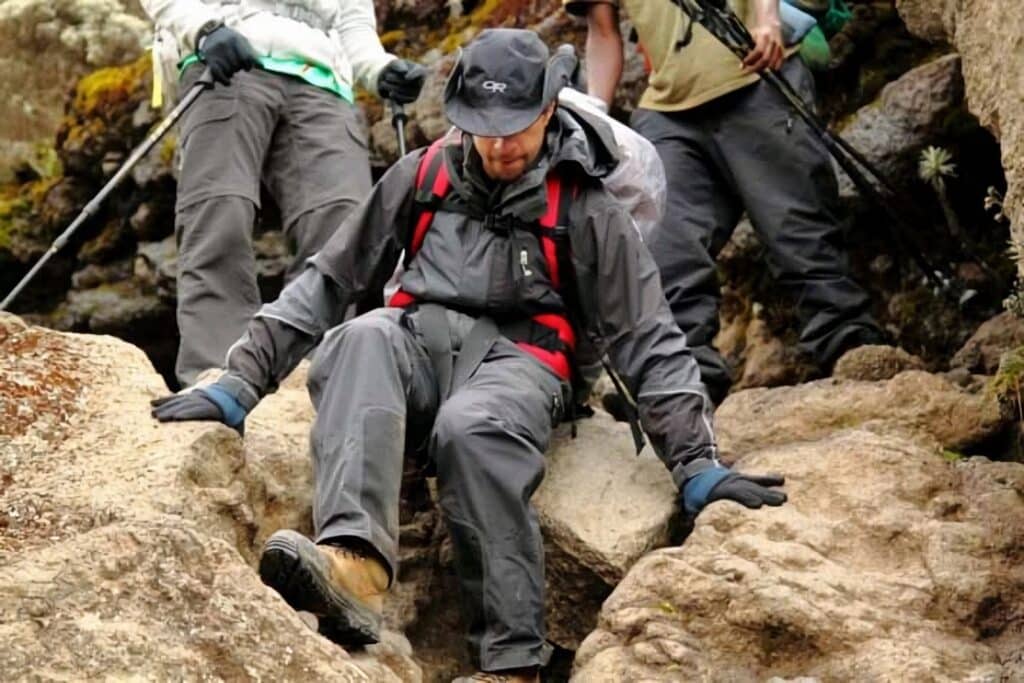
For those in the UK, the cost of climbing Kilimanjaro in British pounds is usually in the range of £1,200 to £2,500 for a standard group climb. Private expeditions will naturally be at the higher end of this range or even exceed it, depending on the specifics of the expedition.
How Much Does It Cost to Climb Kilimanjaro in Euros?
If you’re coming from mainland Europe, the cost to climb Kilimanjaro in Euros tends to fall between €1,200 and €2,500, again depending on whether you’re opting for a group or private tour. The cost of getting to Tanzania is also a consideration here, with flights often being the most significant additional expense.
How Much Does It Cost to Climb Kilimanjaro in USD?
As we’ve touched on, the general cost in USD for a climb can be anywhere between $1,500 and $3,000 USD. The cost fluctuates with the season as well—prices tend to be higher during the dry season (June to October), as more climbers flock to the mountain.
What is the Cheapest Way to Climb Kilimanjaro?
Looking to cut costs without compromising safety? You’re not alone. The cheapest way to climb Kilimanjaro is typically by choosing a budget option with a group. Stick to the most popular routes like the Marangu Route or Machame Route. These are tried-and-tested paths that don’t require specialized skills or gear. You can also save a bit by not opting for the highest-end services—just remember that safety should always come first.
Can a Beginner Climb Kilimanjaro?
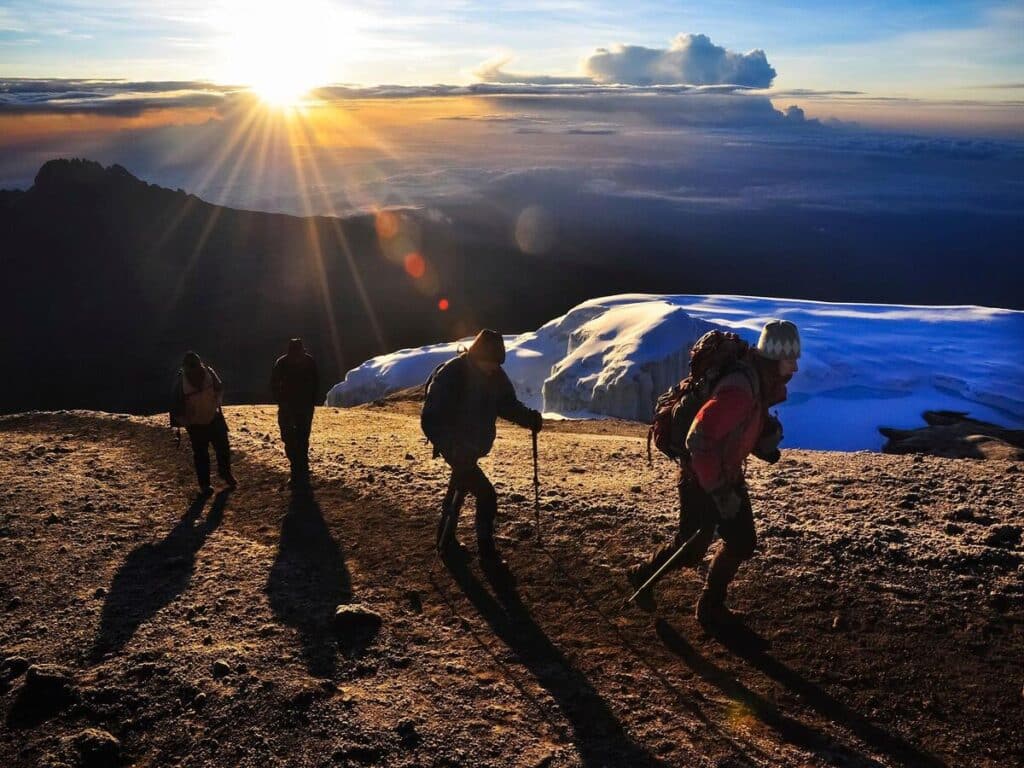
A common question many first-timers ask is, “Can a beginner climb Kilimanjaro?” The short answer is yes. Mount Kilimanjaro doesn’t require technical climbing skills, and thousands of people with no climbing experience attempt it each year. The biggest challenge is the altitude, so training and acclimatization are key. If you’re reasonably fit and prepared for the altitude, you’re in a good position to make it to the summit.
How Many Climbers Died on Kilimanjaro?
Kilimanjaro is considered a relatively safe mountain to climb. However, like all high-altitude treks, there are risks. The primary danger comes from altitude sickness, which can affect anyone, regardless of fitness level. While fatalities are rare, it’s important to know the symptoms and take the necessary precautions.
How to Climb Kilimanjaro on a Budget Without Compromising Safety

If you’re serious about saving money but still want to stay safe, here’s how you can make it happen:
- Stick with a group tour for reduced costs.
- Go for a shorter, less expensive route.
- Rent gear locally instead of buying new.
- Avoid the peak season for lower prices.
The key is finding that balance between budget and safety. A cheap climb isn’t worth it if you’re not getting the right support.
Ready to Take the Leap?
So, how much does it cost to climb Kilimanjaro? As you can see, prices vary widely depending on your preferences and the level of comfort you want during your climb. But no matter what, it’s an investment in a life-changing experience that’s well worth it. The memories, the sense of accomplishment, and the beauty of standing on the Roof of Africa? Priceless.
- Published in mount Kilimanjaro
Secrets to Traveling to Mount Kilimanjaro
If you’re an adventurer, chances are you’ve dreamt of standing at the peak of Mount Kilimanjaro. Why? This iconic mountain has it all: a personal challenge, breathtaking views, diverse ecosystems, and the kind of adventure that etches itself into your memory forever. Let’s discuss why climbing Mount Kilimanjaro is on every traveler’s bucket list, from beginners to seasoned trekkers.
The World’s Highest Free-Standing Mountain:
A Unique Climb of Kilimanjaro Mountain Adventure
You know what makes Kilimanjaro so special? It’s the world’s highest free-standing mountain. That’s right! Towering at 5,895 meters (19,341 feet), it stands alone, unlike many other mountain ranges where peaks are connected. Kilimanjaro’s sheer presence against the flat plains of Tanzania is awe-inspiring and incredibly unique. This makes it a rare adventure — there’s nothing quite like it anywhere else on the planet.
For those of us looking for something epic, standing atop this mountain isn’t just about summiting a peak, it’s about conquering a natural wonder that’s unmatched in the world.
Climb Kilimanjaro Mountain:
Accessible for All Levels
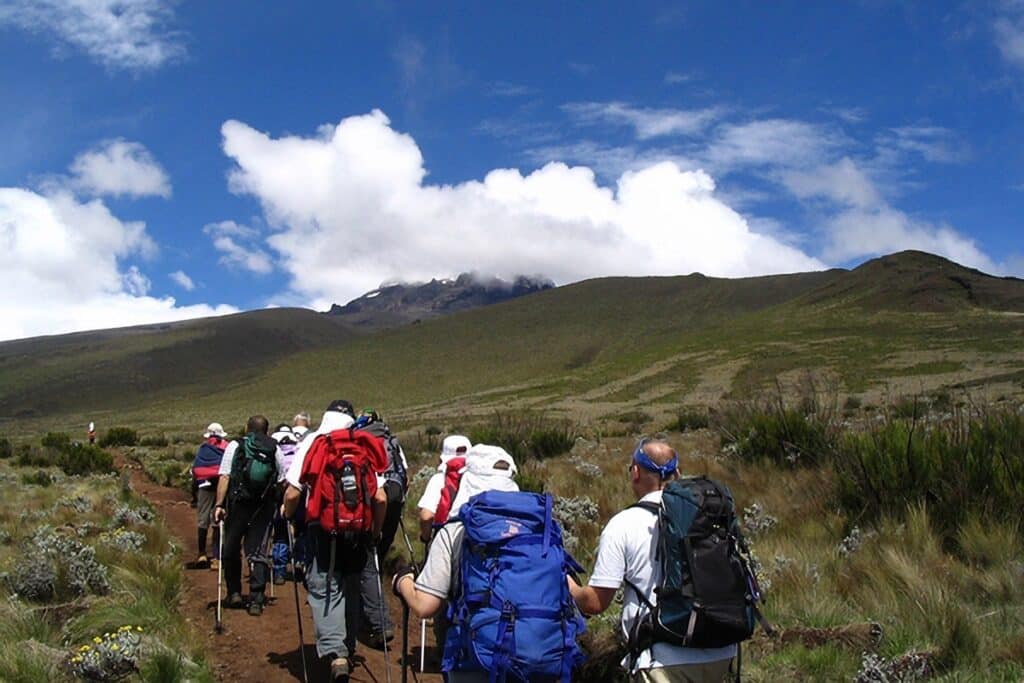
You might be thinking, “I’m not a mountaineer; can I climb Mount Kilimanjaro?” The answer is yes! Unlike many other high-altitude climbs that require specialized technical skills, Kilimanjaro can be climbed by beginners. It’s not about rock climbing or navigating glaciers. Instead, it’s about trekking, endurance, and determination. That means if you’ve ever done a long hike or two, you’re probably ready for this adventure.
There are no ropes, no gear-heavy climbs—just you, your determination, and the path ahead. Of course, being prepared physically and mentally is key to making it to the top, but this mountain is designed to welcome adventurers of all levels.
Multiple Routes to the Summit:
Find Your Perfect Climb Kilimanjaro Mountain Path
The beauty of climbing Mount Kilimanjaro? You have options. With several climbing routes to choose from, you can pick the one that best suits your pace, experience, and preferences. Want a scenic and more relaxed trek? The Marangu route is popular and has huts along the way for shelter. If you’re craving a challenge and more rugged terrain, consider the Machame route. Looking for something quieter, with stunning views, and a longer path? The Lemosho route might be your best bet.
Each of these routes offers a different experience, from the number of days you’ll spend trekking to the landscapes you’ll encounter. You can choose your adventure based on how hard you want to push yourself or how much time you want to spend on this unforgettable journey.
Panoramic Views from the Summit:
The Ultimate Reward for Those Who Climb Kilimanjaro Mountain
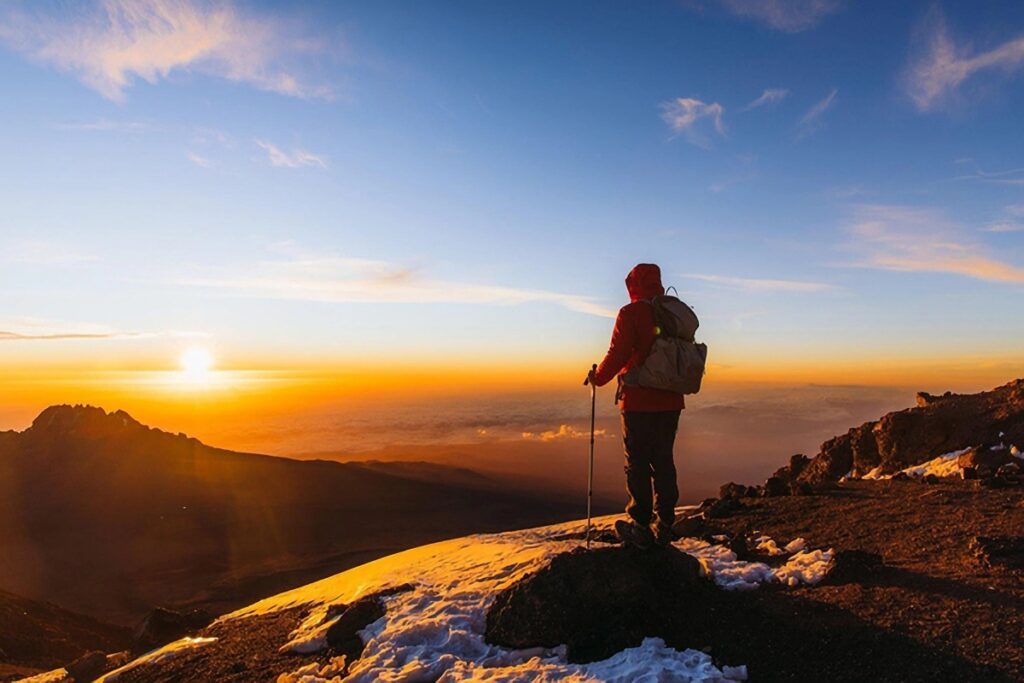
You’ve made it to the summit – now comes the moment of triumph. And oh, the views. Reaching the top of Mount Kilimanjaro rewards you with some of the most spectacular panoramic vistas you could ever imagine. From the summit, you’ll see the vast plains of Tanzania stretching far below. On clear days, the sight of snow-capped peaks contrasted against the African savannah is breathtaking.
It’s the kind of view that’s hard to put into words. When you finally stand there, with the wind on your face and the world sprawled beneath you, it’s as if time stands still. The feeling of standing on top of the world is like no other.
Personal Growth:
The Physical and Mental Challenge of Climbing Kilimanjaro Mountain
Climbing Mount Kilimanjaro isn’t just about physical strength—it’s a test of mental toughness too. As you make your way up, you’ll face the challenge of high altitude, unpredictable weather, and sheer exhaustion. But with each step, you’ll push past your limits and learn just how strong you really are.
Completing the trek requires persistence, and the feeling of achievement when you reach the summit is life-changing. You’ll leave Kilimanjaro with not just memories, but a sense of personal growth.
Ecological Diversity:
Explore the Stunning Ecosystems While You Climb Kilimanjaro Mountain.
From the dense, tropical rainforests to the barren alpine deserts, Kilimanjaro’s ecosystems are as diverse as they come. As you ascend, you’ll notice the landscape changing, shifting from lush vegetation to rocky, barren landscapes as you climb higher. Each zone you pass through introduces new wildlife and plants, giving you the feeling that you’re journeying through different worlds.
This diversity isn’t just visually stunning—it gives you a deep connection to nature that most trekkers rarely experience. As you move from one biome to the next, it’s hard not to feel humbled by the power and beauty of nature.
The Ultimate Adventure Achievement:
Conquer Kilimanjaro Mountain and Achieve Your Dream
Climbing Mount Kilimanjaro is more than just ticking off an item on your bucket list—it’s an ultimate adventure achievement. When you reach that summit, it’s not just about having climbed the tallest free-standing mountain in the world. It’s about conquering a challenge that many people dream about but few actually attempt.
Standing at the top of Kilimanjaro gives you a sense of accomplishment that will last a lifetime. It’s not just a physical achievement; it’s an emotional and mental milestone. You’ll carry that sense of pride with you long after you’ve descended.
A Connection with Nature and Wildlife:
Get Up Close While You Climb Kilimanjaro Mountain.
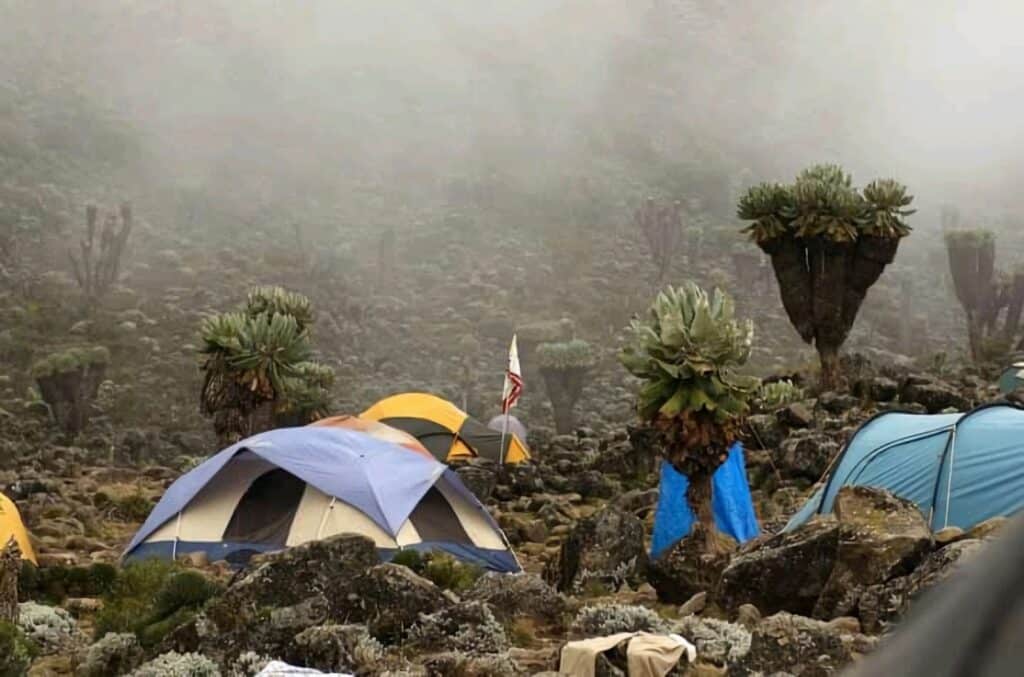
If you’re an animal lover, climbing Kilimanjaro offers a unique chance to encounter wildlife in its natural habitat. From the tropical birds and monkeys in the lower forests to the high-altitude animals like the rock hyrax, the mountain is teeming with life. As you climb, the opportunity to witness these creatures up close is something that enriches the entire adventure.
This connection with nature isn’t limited to just animals; it’s about experiencing the untouched beauty of the mountain. The air, the atmosphere, and the surrounding environment all contribute to the feeling that you’re truly immersed in something greater than yourself.
Immerse Yourself in Culture:
Meet the Chaga People on Your Kilimanjaro Mountain Journey
Climbing Kilimanjaro isn’t just about physical challenges and natural beauty. It’s also about the people. The Chaga people, the mountain’s local inhabitants, have been living around the mountain for centuries. As you make your way up, you might encounter them, adding a rich cultural experience to your journey.
Learning about their customs, culture, and lifestyle offers a deeper connection to the land you’re trekking in. It’s a chance to understand a way of life that has existed long before modern tourism arrived in Tanzania. The warmth and hospitality of the Chaga people can make the trek even more special.
Climb Kilimanjaro Mountain:
A Bucket-List Adventure for Thrill-Seekers
Let’s face it—climbing Kilimanjaro is a must-do for many adventurers. Whether you’re from the USA, Europe, or China, this mountain captures the imagination of thrill-seekers and nature lovers alike. It’s a journey that combines everything an adventurer dreams of: a personal challenge, stunning views, cultural experiences, and the feeling of being truly connected to the natural world.
For many, summiting Kilimanjaro is more than just a physical feat. It’s a way to prove to themselves that they are capable of achieving great things—and that’s the kind of experience you’ll carry with you forever.
Ready to climb Kilimanjaro? This is one adventure you’ll never forget.
- Published in mount Kilimanjaro
Why Climbing Mount Kilimanjaro Is Every Adventurer’s Dream.

If you’re an adventurer, chances are you’ve dreamt of standing at the peak of Mount Kilimanjaro. Why? This iconic mountain has it all: a personal challenge, breathtaking views, diverse ecosystems, and the kind of adventure that etches itself into your memory forever. Let’s discuss why climbing Mount Kilimanjaro is on every traveler’s bucket list, from beginners to seasoned trekkers.
The World’s Highest Free-Standing Mountain:
A Unique Climb of Kilimanjaro Mountain Adventure
You know what makes Kilimanjaro so special? It’s the world’s highest free-standing mountain. That’s right! Towering at 5,895 meters (19,341 feet), it stands alone, unlike many other mountain ranges where peaks are connected. Kilimanjaro’s sheer presence against the flat plains of Tanzania is awe-inspiring and incredibly unique. This makes it a rare adventure — there’s nothing quite like it anywhere else on the planet.
For those of us looking for something epic, standing atop this mountain isn’t just about summiting a peak, it’s about conquering a natural wonder that’s unmatched in the world.
Climb Kilimanjaro Mountain:
Accessible for All Levels
You might be thinking, “I’m not a mountaineer; can I climb Mount Kilimanjaro?” The answer is yes! Unlike many other high-altitude climbs that require specialized technical skills, Kilimanjaro can be climbed by beginners. It’s not about rock climbing or navigating glaciers. Instead, it’s about trekking, endurance, and determination. That means if you’ve ever done a long hike or two, you’re probably ready for this adventure.
There are no ropes, no gear-heavy climbs—just you, your determination, and the path ahead. Of course, being prepared physically and mentally is key to making it to the top, but this mountain is designed to welcome adventurers of all levels.
Multiple Routes to the Summit:
Find Your Perfect Climb Kilimanjaro Mountain Path
The beauty of climbing Mount Kilimanjaro? You have options. With several climbing routes to choose from, you can pick the one that best suits your pace, experience, and preferences. Want a scenic and more relaxed trek? The Marangu route is popular and has huts along the way for shelter. If you’re craving a challenge and more rugged terrain, consider the Machame route. Looking for something quieter, with stunning views, and a longer path? The Lemosho route might be your best bet.
Each of these routes offers a different experience, from the number of days you’ll spend trekking to the landscapes you’ll encounter. You can choose your adventure based on how hard you want to push yourself or how much time you want to spend on this unforgettable journey.
Panoramic Views from the Summit:
The Ultimate Reward for Those Who Climb Kilimanjaro Mountain
You’ve made it to the summit – now comes the moment of triumph. And oh, the views. Reaching the top of Mount Kilimanjaro rewards you with some of the most spectacular panoramic vistas you could ever imagine. From the summit, you’ll see the vast plains of Tanzania stretching far below. On clear days, the sight of snow-capped peaks contrasted against the African savannah is breathtaking.
It’s the kind of view that’s hard to put into words. When you finally stand there, with the wind on your face and the world sprawled beneath you, it’s as if time stands still. The feeling of standing on top of the world is like no other.
Personal Growth:
The Physical and Mental Challenge of Climbing Kilimanjaro Mountain
Climbing Mount Kilimanjaro isn’t just about physical strength—it’s a test of mental toughness too. As you make your way up, you’ll face the challenge of high altitude, unpredictable weather, and sheer exhaustion. But with each step, you’ll push past your limits and learn just how strong you really are.
Completing the trek requires persistence, and the feeling of achievement when you reach the summit is life-changing. You’ll leave Kilimanjaro with not just memories, but a sense of personal growth.
Ecological Diversity:
Explore the Stunning Ecosystems While You Climb Kilimanjaro Mountain.
From the dense, tropical rainforests to the barren alpine deserts, Kilimanjaro’s ecosystems are as diverse as they come. As you ascend, you’ll notice the landscape changing, shifting from lush vegetation to rocky, barren landscapes as you climb higher. Each zone you pass through introduces new wildlife and plants, giving you the feeling that you’re journeying through different worlds.
This diversity isn’t just visually stunning—it gives you a deep connection to nature that most trekkers rarely experience. As you move from one biome to the next, it’s hard not to feel humbled by the power and beauty of nature.
The Ultimate Adventure Achievement:
Conquer Kilimanjaro Mountain and Achieve Your Dream
Climbing Mount Kilimanjaro is more than just ticking off an item on your bucket list—it’s an ultimate adventure achievement. When you reach that summit, it’s not just about having climbed the tallest free-standing mountain in the world. It’s about conquering a challenge that many people dream about but few actually attempt.
Standing at the top of Kilimanjaro gives you a sense of accomplishment that will last a lifetime. It’s not just a physical achievement; it’s an emotional and mental milestone. You’ll carry that sense of pride with you long after you’ve descended.
A Connection with Nature and Wildlife:
Get Up Close While You Climb Kilimanjaro Mountain.
If you’re an animal lover, climbing Kilimanjaro offers a unique chance to encounter wildlife in its natural habitat. From the tropical birds and monkeys in the lower forests to the high-altitude animals like the rock hyrax, the mountain is teeming with life. As you climb, the opportunity to witness these creatures up close is something that enriches the entire adventure.
This connection with nature isn’t limited to just animals; it’s about experiencing the untouched beauty of the mountain. The air, the atmosphere, and the surrounding environment all contribute to the feeling that you’re truly immersed in something greater than yourself.
Immerse Yourself in Culture:
Meet the Chaga People on Your Kilimanjaro Mountain Journey
Climbing Kilimanjaro isn’t just about physical challenges and natural beauty. It’s also about the people. The Chaga people, the mountain’s local inhabitants, have been living around the mountain for centuries. As you make your way up, you might encounter them, adding a rich cultural experience to your journey.
Learning about their customs, culture, and lifestyle offers a deeper connection to the land you’re trekking in. It’s a chance to understand a way of life that has existed long before modern tourism arrived in Tanzania. The warmth and hospitality of the Chaga people can make the trek even more special.
Climb Kilimanjaro Mountain:
A Bucket-List Adventure for Thrill-Seekers
Let’s face it—climbing Kilimanjaro is a must-do for many adventurers. Whether you’re from the USA, Europe, or China, this mountain captures the imagination of thrill-seekers and nature lovers alike. It’s a journey that combines everything an adventurer dreams of: a personal challenge, stunning views, cultural experiences, and the feeling of being truly connected to the natural world.
For many, summiting Kilimanjaro is more than just a physical feat. It’s a way to prove to themselves that they are capable of achieving great things—and that’s the kind of experience you’ll carry with you forever.
Ready to climb Kilimanjaro? This is one adventure you’ll never forget.
- Published in mount Kilimanjaro