
Tanzania Serengeti Safari in Every Season: What to Expect Month by Month
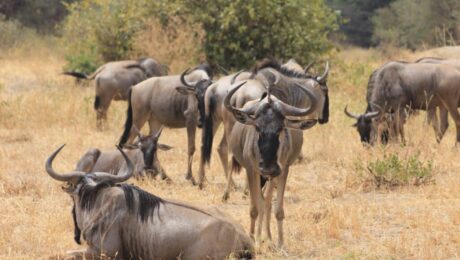
Ever wondered if there’s a “perfect time” to go on a Tanzania Serengeti Safari? Truth is, each month in the Serengeti brings its rhythm, like a 12-part symphony of nature. Some months whisper with calm savannah breezes and scattered antelope. Others roar with hooves, dust, and drama as hundreds of thousands of wildebeest move in unison across golden plains. So, let’s walk through it together—month by month—not just with weather charts and wildlife stats, but with what it feels like to be there.
January & February – Baby Boom and Golden Mornings

This is calving season in the southern Serengeti and parts of the Ndutu area. Picture a sprawling green carpet, dotted with thousands of newborn wildebeest wobbling beside their mothers. Predators? Oh, they’re around—cheetahs and hyenas mostly—because nature’s calendar is always on time.
The weather? Warm, with scattered showers that bring life, not disruption. If you’re not keen on crowds and want to witness the raw miracle of life (and, okay, a bit of chasing), this is your moment. Tanzania Serengeti Safari in January or February has a softer, more intimate feel—but it’s anything but dull.
March – The Calm Before the Long Rains
By March, the wildebeest herds are still hanging around the Ndutu and southern plains, but you’ll notice a quietness settling in. The grass is tall, the skies get moodier, and the big cats get sneakier. It’s a month full of anticipation—before the rain, before the march north.
This time of year feels… reflective. You’re not chasing wildlife; you’re settling into it. Just you, your camera, maybe a cup of strong Tanzanian coffee in hand, and the rustling grass.
April & May – Green Season’s Secret.
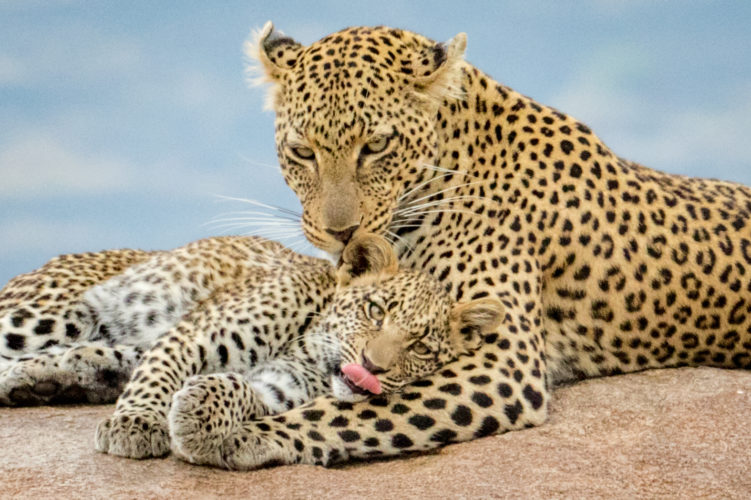
Here’s where many folks pause. April and May are the long rainy months, and yes—it’s muddy. Yes, the roads can be messy. But also yes—there’s a wild, emerald beauty to it. The central and western Serengeti light up with color, and the animals? Still there. Still living, hunting, resting.
Fewer tourists mean better lodge rates and quieter sights. Tanzania Serengeti Safari during these months is for those who don’t mind a bit of adventure (and maybe a rain poncho). You’ll get epic skies and that smell of rain on dry earth—that’s a sensory souvenir most don’t get.
June – Migration on the Move
Let’s talk drama. June is when the Great Migration starts pushing north through the Western Corridor, snaking toward the Grumeti River. The crossings aren’t as famous as the Mara ones, but still—it’s wild. Crocodiles lurk in chocolate-colored water, and wildebeest make nervous decisions at the river’s edge.
Weather-wise? Cool mornings, pleasant afternoons, and the occasional chill that makes a fireside sundowner all the more satisfying. If your Tanzania Serengeti Safari dreams involve movement, tension, and moments that make your heart skip a beat, June is calling.
July & August – The Northern Showdown
This is prime time. Northern Serengeti and the Mara River take center stage, with daily crossings that feel like nature’s version of a coin toss. Will they cross? Will they wait? Will a crocodile show up?
Lodges get booked months in advance, and for good reason. It’s dry, cool, and teeming with action. Tanzania Serengeti Safari in July and August is iconic, especially if you love photography or storytelling. Honestly, even seasoned guides still get goosebumps during a river crossing. It’s that powerful.
September – The Great Migration’s Pause
By now, the wildebeest are spread out across the northern reaches, some flirting with Kenya’s Masai Mara border, others sticking to the safari Tanzania Serengeti side. Crossings still happen, but they’re fewer—and that’s not a bad thing. It feels more relaxed, more contemplative.
Game viewing is still excellent, and the weather is ideal—dry, sunny, crisp in the mornings. If you like your Serengeti Safari with a little less chaos but still plenty of wildlife, September is a gem.
October – The Slow Slide South
As October rolls in, the herds begin their slow retreat. They move southward in search of fresh grazing, almost like they know the rains are coming soon. The central Serengeti becomes alive again, especially Seronera, a region known for year-round wildlife and classic big cat sightings.
This month is a bit of everything—movement, sightings, mild weather, and fewer crowds. It’s a great time for first-timers and seasoned safari-goers alike.
November – Short Rains, Big Views
November is the season of “short rains,” and while it sounds gloomy, it’s more like nature’s refresh button. Afternoon showers, dramatic skies, and sprouting green across the plains. The herds are back in the central and southern zones, gathering again for the next chapter.
A Serengeti Safari in November feels raw and real. Less polished than July, more alive than May. The air smells different. The light hits differently. And the animals? They don’t take days off.
December – A Wild Holiday.
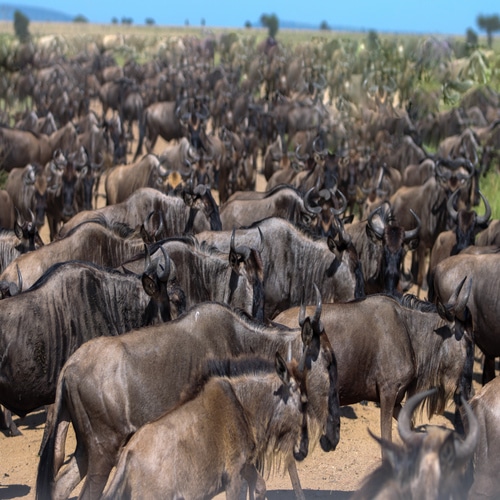
What better way to end the year than surrounded by acacia trees and wildlife symphonies? December in the Serengeti is lush and vibrant, especially in the southern plains where the wildebeest have returned. Calving hasn’t started yet, but the anticipation is thick.
It’s also a festive month. Many travelers from Europe and America trade snow for safari sunsets. If you plan early, you’ll secure a spot before the holiday rush. A Serengeti Safari in December might just be the best gift you give yourself.
So, When Should You Go?
It depends on what pulls at you. The quiet of March? The chaos of July? The green lull of May? Serengeti doesn’t have an off-season—it just changes its tune each month. That’s the beauty of it.
And here’s the thing: no matter when you come, the Serengeti gives you something. Sometimes it’s lions in the golden grass. Sometimes it’s just silence and space—the kind that changes you a little. So maybe the best time to go on a Serengeti Safari… is when you need it most.
Let me know if you’d like help with a matching itinerary, seasonal safari map, or photo inspiration.
- Published in Serengeti park
A Day in the Life on a Serengeti Safari Tour
Morning Mist & Roaring Lions: What Wakes You Up in the Serengeti
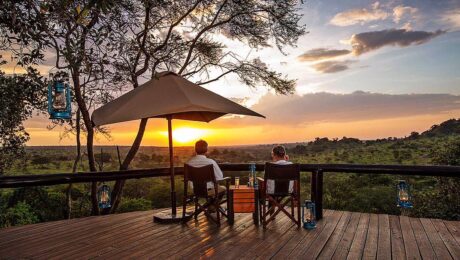
Let’s set the scene. It’s around 5:30 AM. Not the kind of morning where you hit snooze—this one’s different. The air is crisp, quiet in a way that feels sacred. You’re wrapped in a thick blanket on the porch of a luxury tent, sipping spiced tea while the sky blushes into shades of peach and lavender. And then—there it is. That low, guttural growl in the distance. A lion. Probably pacing not too far off. Welcome to the Serengeti Safari Tour.
Honestly, nothing quite prepares you for the raw stillness of these early hours. It’s not just a sunrise—it’s the curtain rising on nature’s most dramatic theatre.
Where the Wild Things Really Are: The Star Attractions

Let me explain something quickly—when people say “The Big Five,” they mean big. There’s something unreal about watching a lumbering elephant cross your path or spotting a leopard draped across an acacia branch like royalty. But the Serengeti’s real showstopper? The Great Migration. Two million wildebeest, zebras, and gazelles are kicking up dust as they barrel across the plains in search of water. It’s chaos. Beautiful, muddy, dangerous chaos.
And if birds are your thing—well, you’re in luck. Over 500 species call this place home. From iridescent starlings to quietly regal crowned cranes, it’s like nature’s own jazz band—wild, diverse, and completely improvised.
Game Drives, Balloon Dreams & Walks with Purpose

Of course, no Serengeti Safari Tour would be complete without the quintessential game drive. Imagine bumping along red-dirt tracks in a rugged Land Cruiser, the radio crackling with updates like, “Lions spotted near the kopjes!” Your guide hits the gas—game on.
But there’s more. Ever floated above a herd of giraffes in a hot-air balloon at sunrise? It’s surreal. The quiet up there is almost eerie—except for the occasional whoosh of the flame overhead. And when your feet touch the ground again, there’s a champagne breakfast waiting. Naturally.
For those who like to walk on the wild side—literally—guided walking safaris give you the chance to get close to nature. You’ll learn to track animals, read droppings (yes, really), and listen to the land in a way that’s borderline spiritual.
Where You Sleep Matters (and it’s never basic)
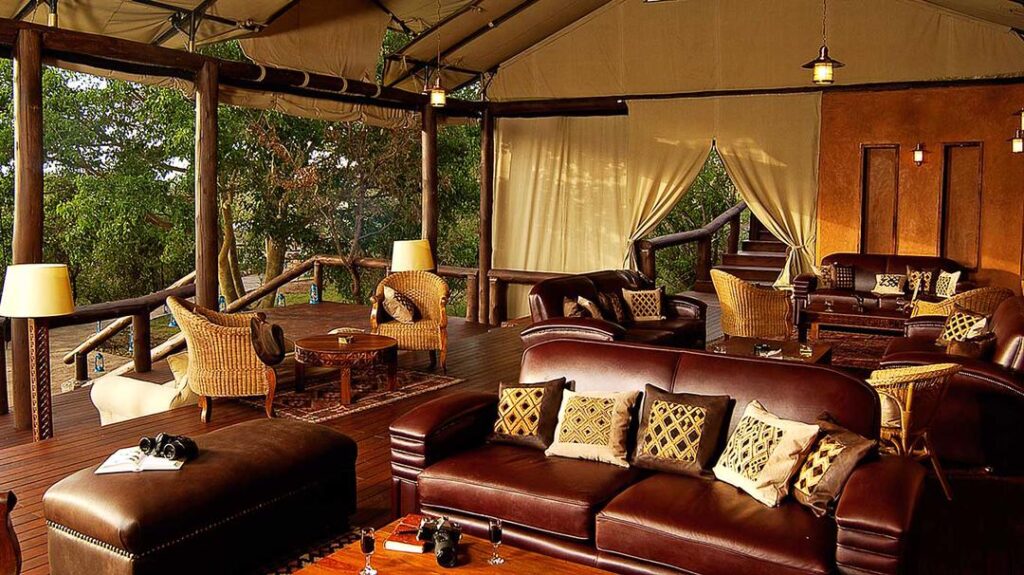
So here’s the thing. The Serengeti isn’t just about the wild—it’s also about how you experience it. Some folks go rustic with eco-friendly tented camps that blend right into the landscape. Think solar lanterns, bucket showers, and meals cooked over open flames. Others lean luxury: private plunge pools, full bars, and Wi-Fi strong enough to FaceTime your cousin in Belgium.
Either way, there’s one constant—you’re never far from the sounds of the wild. Nighttime here is a lullaby of crickets, distant hyena laughter, and, if you’re lucky, the low huff of a lion strolling nearby. Sleep comes easy when the sky above is bursting with stars you didn’t know existed.
The Guides? They’re Half the Magic
Let’s not skip this. The guides on a Serengeti Safari Tour aren’t just there to point out animals. They’re storytellers, trackers, historians, sometimes therapists (especially if you panic when a buffalo stares too hard).
Most were born nearby. They know this land like we know our favorite coffee shop—every curve, every birdcall, every scent in the wind. Their presence is equal parts comfort and curiosity. You’ll laugh, you’ll learn, you might even cry a little when the tour ends.
What Sets This Tour Apart? More Than You’d Expect
Now, you’re probably wondering—what makes this Serengeti Safari Tour different from the dozens out there? Fair question.
Well, start with the basics. Private or group? You choose. Prefer your own vehicle and guide? Done. Want a group to share stories and swap snacks with? Also doable.
But here’s where it gets better: our itineraries flex around you. Want to skip a drive and chill at camp? Cool. Want a photography-focused tour or one that includes Maasai village visits? No problem.
And for the conscious traveler—yes, we care too. Many of our partner camps are community-run or donate a portion of their proceeds to local conservation. It’s not just a safari. It’s a chance to be part of something bigger.
So, How Long Should You Stay? Where Do You Start?
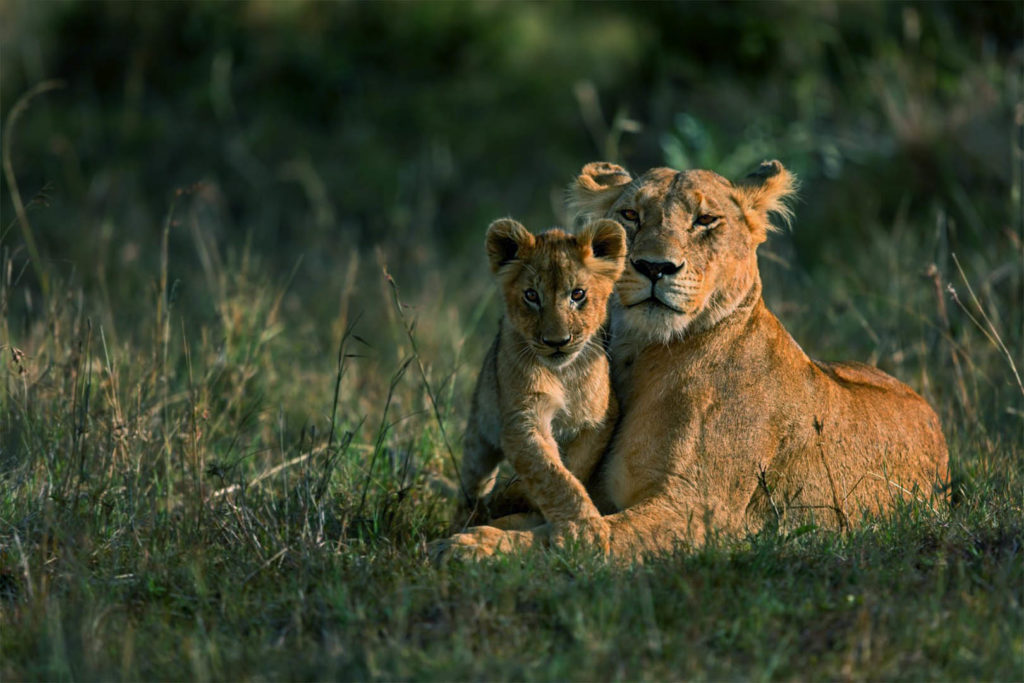
The sweet spot is 5 to 7 days. That gives you time to settle in, adjust your internal clock to “wilderness mode,” and absorb it all. You can start your Serengeti Safari Tour from Arusha or Kilimanjaro International Airport. Both are convenient and scenic in their way.
And what’s included? Pretty much everything. Transport, park fees, meals (expect fresh local produce and rich stews), drinking water, and a guide who becomes part of your story. Pro tip?
Come during the dry season (June to October) for clearer views and optimal wildlife spotting. But hey, the green season (December to March) brings baby animals—and who doesn’t love baby animals?
Don’t Just Take Our Word for It
One traveler from Italy—Giovanna, age 62—told us, “I thought I was coming to see animals. I left feeling like I touched the soul of the Earth.” Another guest from Texas described the tour as “a spiritual reset I didn’t know I needed.”
And then there are the photos. Sunset silhouettes of giraffes, elephants with dust halos, lions squinting into the heat. Honestly, your camera roll will thank you.
Ready for the Wildest Day of Your Life?
So here’s what we suggest—stop scrolling. If this stirred something in you (and let’s be real, how could it not?), let’s talk. Send us a message. Ask questions. Dream out loud.
Click here to plan your Serengeti Safari Tour—and start your own story under the African sun.
- Published in Serengeti park
Discover the Hidden Gems of Serengeti Safari National Park

Beyond the Great Migration: Discover the Hidden Gems of Serengeti National Park.
You’ve seen the documentaries. You’ve scrolled through jaw-dropping Instagram reels of wildebeest herds stampeding across muddy rivers, chased by hungry crocodiles. And yeah—if you’re planning a safari in Africa, you’ve probably heard that the Great Migration is the showstopper in Serengeti National Park. But here’s the thing: the Serengeti isn’t a one-hit wonder. Not even close. There’s an entire world quietly humming behind the spectacle, waiting for travelers like you to slow down and see it.
Serengeti National Park isn’t just about the masses—it’s about the moments. The quiet stare of a lioness hidden in golden grass. The eerie call of a hyena under a moonlit sky. The way time seems to melt away under an acacia tree as zebras graze in the distance. Honestly, if you’re only here for the migration, you’re missing out on the soul of the Serengeti.
So Much More Than Wildebeest
Let’s be clear: yes, the Great Migration is spectacular. But what happens when the herds move on? That’s when the real Serengeti safari reveals itself. This vast ecosystem—stretching over 14,000 square kilometers—is home to some of the most dramatic, intimate, and overlooked experiences in all of East Africa.
Think about it. When was the last time you heard someone rave about the Moru Kopjes? These ancient granite outcrops are like nature’s fortresses. Lions bask on their sun-warmed ledges. Rock hyraxes dart through crevices. And in the distance, Maasai paintings whisper stories from centuries ago. No crowds. Just silence and history.
Let’s Talk Big Cats—Without the Chaos

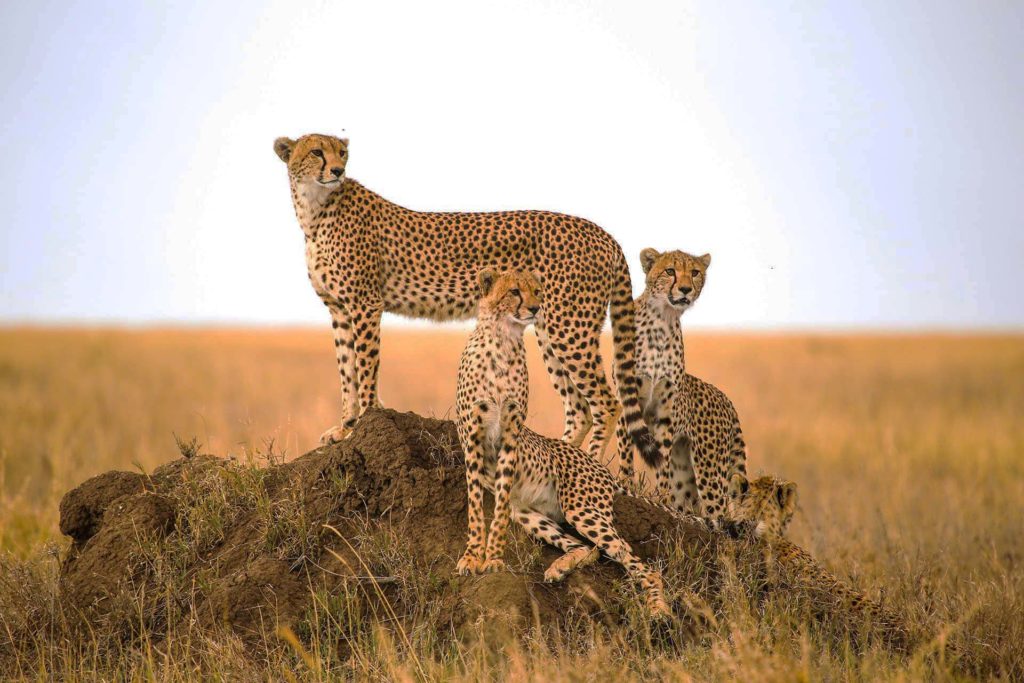
If you’ve ever wanted to see a leopard in peace-no—engine noise, no camera clicks, no safari vehicles jostling for position—then the central and southern Serengeti plains are your golden ticket. When the migration shifts north, the resident predators remain. Cheetahs, with their lightning-speed sprints across open plains. Leopards draped lazily over tree branches. Lions are doing what lions do best—napping in the sun until it’s time to hunt.
The best part? Your guide isn’t rushing to follow the herd. You can sit. Watch. Breathe. Let the rhythm of the wild set the pace.
Green Season: When the Serengeti safari Turns Magical
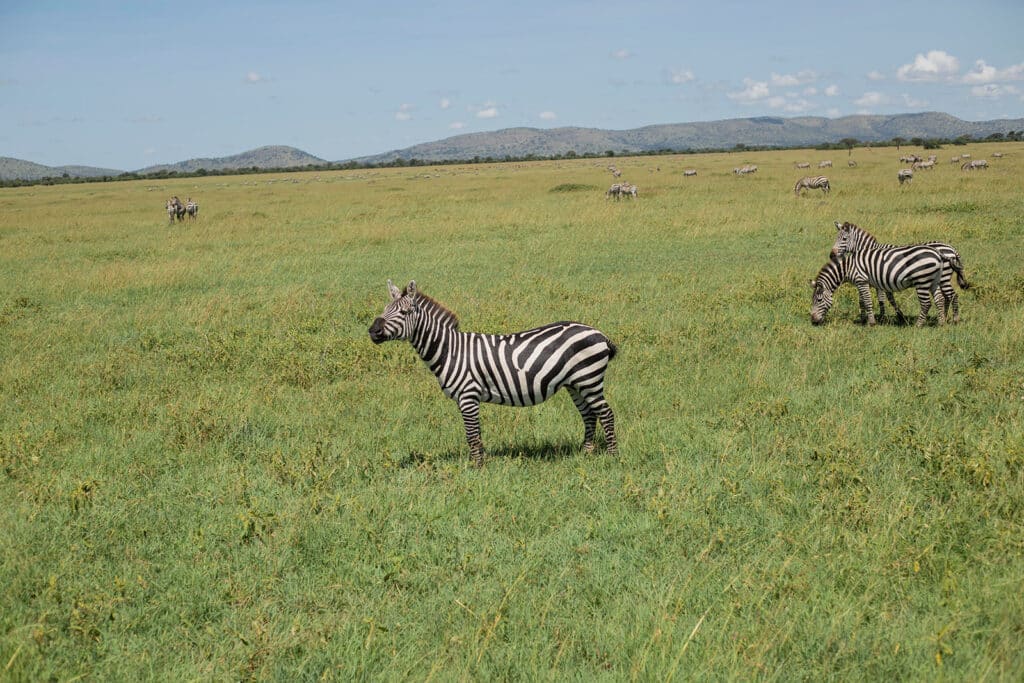
Here’s a little secret the tour brochures won’t tell you: the Serengeti safari during the green season (roughly November through March) is pure magic. Picture dramatic skies, electric thunderstorms, and lush landscapes so vibrant they look surreal. Fewer tourists. More intimate encounters. And the chance to witness the calving season, when thousands of newborn wildebeest take their first wobbly steps, drawing predators and creating moments of raw, unscripted drama.
Yes, you might get rained on. But you’ll also witness the Serengeti at its most alive.
Hidden Corners: The Ones Most People Miss
There’s a part of Serengeti National Park where the roads get dusty, the signs disappear, and suddenly… you’re alone. Places like the remote corners of the eastern Serengeti safari or the untouched plains near Namiri. These aren’t drive-by photo ops. They’re immersive, slow-burn experiences—the kind that linger in your memory long after your camera battery dies.
You might stumble upon a pack of African wild dogs—rare, elusive, hauntingly beautiful. Or camp beneath skies so clear you feel like you could scoop up the stars. It’s not polished. It’s not packaged. But it’s deeply, profoundly real.
People of the Land: Culture Beyond the Wildlife
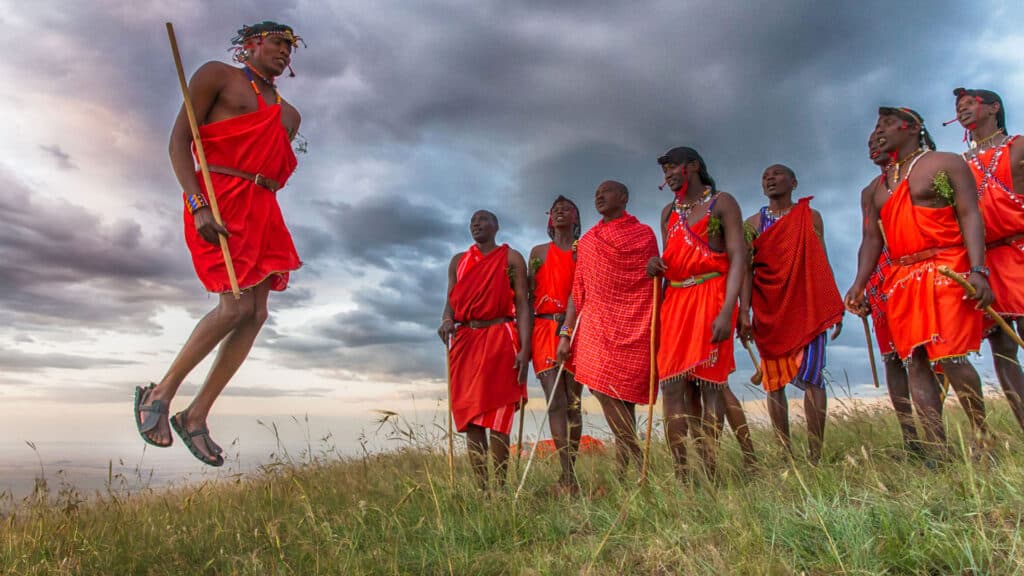
Let’s not forget that the Serengeti safari isn’t just wildlife. It’s people. Culture. Legacy. Spend an afternoon with a Maasai elder and you’ll quickly realize this land hums with stories older than any travel guide. Learn how they coexist with lions. How they read the land. How they’ve passed knowledge through generations without ever writing it down.
You know what’s beautiful? That blend of wild and human. It reminds you that safaris aren’t just about what you see, but what you feel.
Where You Stay Changes Everything
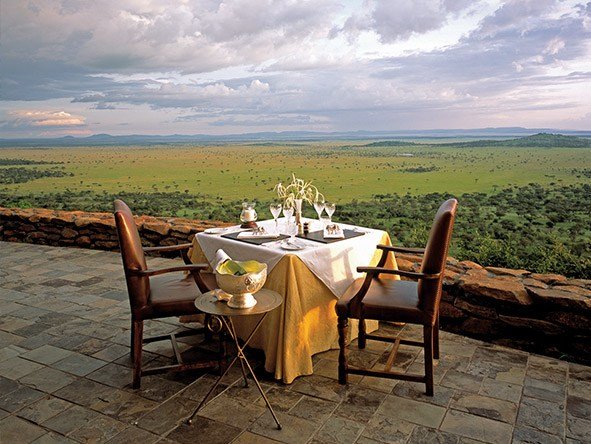
Luxury lodges with infinity pools overlooking the savannah? Absolutely. Tented camps where zebras graze outside your canvas walls? Even better. But no matter your style, the best places in Serengeti National Park aren’t just accommodation—they’re storytellers.
Ask about properties near Moru Kopjes, or mobile camps that move with the seasons. Some of the most unforgettable mornings begin with a knock at your tent, a tray of coffee, and the soft light of dawn spilling across the grasslands. If you’ve been there, you know. And if you haven’t—well, you’re in for something special.
What’s the Rush?
Here’s a little advice: don’t rush it. The Serengeti safari isn’t something you check off a list. It’s something you let seep in. So skip the frantic multi-park tours. Stay longer. Follow the rhythm of the plains. Let yourself get bored—because that’s when you start noticing the little things. A dung beetle rolling its prize. The distant drumming of a summer storm. The stillness before the hunt.
Final Word: Serengeti National Park Deserves Your Full Attention
If you’re planning that once-in-a-lifetime African Serengeti safari, and Serengeti National Park is on your list—great. But give it more than a glance. Go beyond the Great Migration. Find the corners where time stands still, where the stories run deeper, and where the silence speaks volumes.
Because the Serengeti isn’t just a place. It’s a presence. And once it finds a home in you, it never really leaves.
- Published in Serengeti park