
Your Ultimate Guide to African Safari Tours Serengeti
What to Know Before You Go to African Safari Tours Serengeti
You’ve Heard About It. Now Let’s Talk About Actually Going.
There’s something about the Serengeti that pulls you in, even before you set foot on its golden plains. Maybe it’s the way people talk about the Great Migration like it’s a biblical event. Or the sheer magic of seeing a lion yawn just meters from your open-roof vehicle. Either way, African safari tours Serengeti aren’t just holidays—they’re memories stitched into the fabric of your life.
But before you hop on that plane, let’s unpack the details. Because while the Serengeti looks wild and boundless, planning a trip there? It’s got a few twists and turns.
How much does a Serengeti safari cost?
Let’s get the money talk out of the way first. An African safari tour Serengeti doesn’t come cheap—but there’s a range, and that’s good news.
At the budget end (think: group camping, shared vehicles), you’re looking at around $250–$350 per person per day. That usually includes your park fees, meals, transport, and a guide. Move up a notch, and mid-range tours hover around $500–$700 per person per day—think cozy lodges, fewer people in the vehicle, and slightly more personal attention.
Now, luxury safaris? Different ballgame. Fly-in packages, tented camps with hot showers and silver cutlery, private guides, sundowners in the bush… You’ll be spending $1,200 to $3,000+ per day. But hey—if you’re going to splurge, why not do it while watching elephants cross the plains at sunset?
How much does it cost to enter the Serengeti?
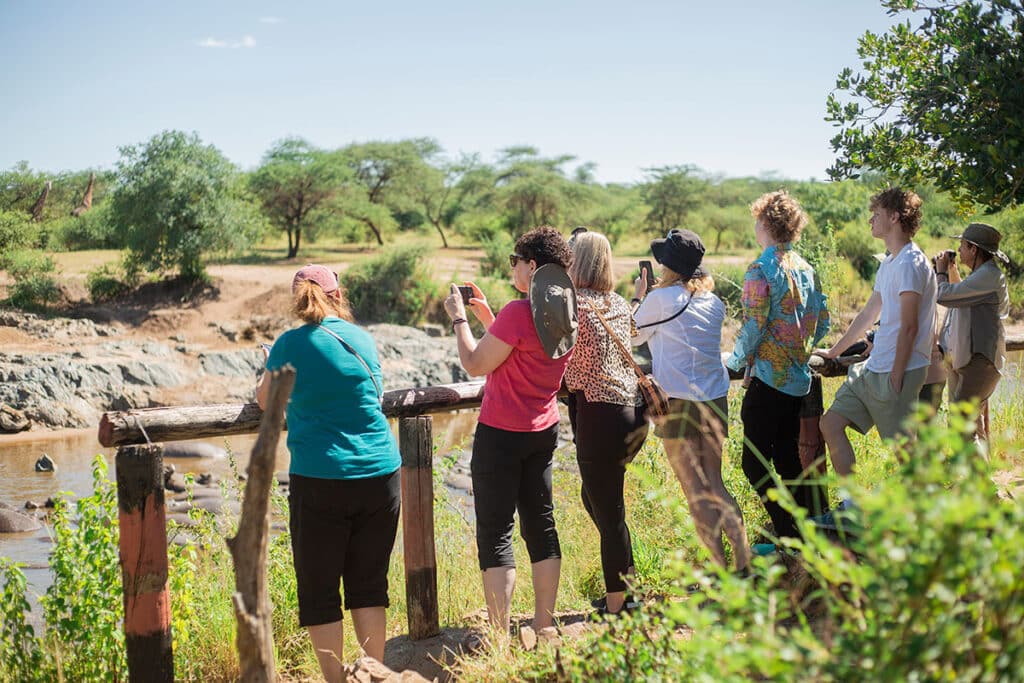
Here’s the thing—Serengeti National Park isn’t free. The entry fee for international tourists is $70 per adult per day, plus an 18% VAT. If your tour includes multiple parks (which it often does), expect extra costs. Also, some camps charge separate concession fees, which can be another $50–$60 per night.
So yes, the adventure’s incredible—but the price tag’s no joke.
Why is Serengeti so expensive?.

It’s a fair question. Honestly, it’s not just the wildlife that’s wild—prices can be too. But once you’re there, it kind of makes sense.
First, logistics. Running a lodge in the middle of nowhere means flying in food, staff, spare parts—you name it. Then there’s conservation: park fees help protect animals, support anti-poaching efforts, and fund community initiatives. And third? It’s the Serengeti. You’re paying for the privilege to be somewhere utterly unspoiled.
Still, you can trim costs with group tours, shoulder-season bookings, or choosing lodges just outside the park (they’re cheaper and sometimes just as good).
How long is the drive from Ngorongoro to Serengeti?
You’d think two famous parks would be a quick hop apart. Not quite. The drive from Ngorongoro Crater to central Serengeti takes about 4 to 5 hours. That’s if the roads behave.
It’s a bumpy, dusty ride—but honestly, it’s also part of the charm. You’ll see Maasai villages, vast highlands, maybe a giraffe strutting beside the road like it owns the place (it kind of does). Bring snacks. And patience.
Is Serengeti better than Kruger?
Ah, the old safari showdown. It’s like comparing espresso to drip coffee—depends on what you’re into.
Kruger National Park (South Africa) is accessible, has excellent infrastructure, and allows self-driving. Great for first-timers. But the African safari tours Serengeti offer something wilder, more remote, and arguably more dramatic, especially during the Great Migration. It’s raw. Unfiltered. Like nature pressed the “epic” button.
So, is it better? If you want the classic, untamed safari of your imagination, yes. But it’s apples and oranges, really.
What are the best months for safari in the Serengeti?
This one’s tricky because every season brings something different.
- June to October: Peak dry season, cooler weather, and excellent wildlife viewing. The migration’s in full swing in the northern Serengeti from July onward—wildebeest crossing the Mara River? Unforgettable.
- December to March: Calving season in the southern Serengeti. Predators love this time, too (you know, lunch).
- April and May: The “green season”—fewer crowds, lower prices, and stunning landscapes, but it’s rainy and muddy. Still, for photographers? It’s heaven.
Plan your African safari tours Serengeti around what kind of drama you want—birth, chase, or river-crossing chaos.
Which is better, Masai Mara or Serengeti?
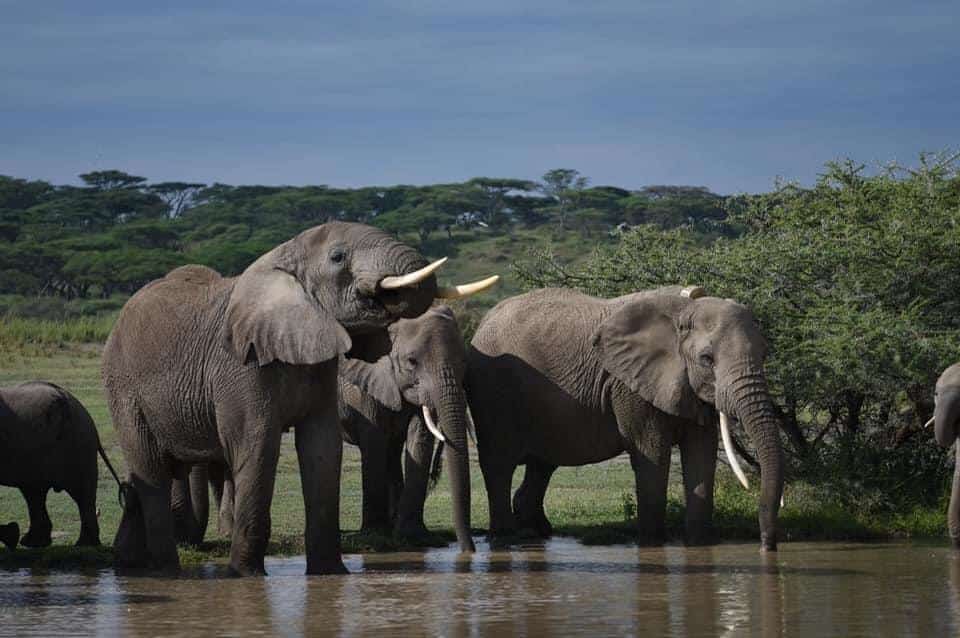
Short answer? Both. Longer answer? Depends on your travel style.
Masai Mara (Kenya) is more compact, meaning animals are easier to spot. It’s also ideal for shorter trips. But the Serengeti—it’s vast, untamed, and more varied in terms of ecosystems. Think of the Mara as a brilliant chapter; the Serengeti is the whole book.
For the full migration experience, many combine both in one trip. Not a bad idea, if your budget—and passport—allow it.
How long is the Serengeti safari tour?.

Typical African safari tours Serengeti last 3 to 7 days, though some go up to 10 days if you’re exploring multiple regions (north, central, southern).
Short on time? A 3-day tour focuses on the central Serengeti. More days mean deeper exploration—say, from Seronera to Kogatende during migration season. And trust me, you don’t want to rush this.
How do I go from Arusha to Serengeti?
Arusha is the safari capital of northern Tanzania—your jumping-off point.
You’ve got options:
- Drive: Around 8–10 hours, with stops in places like Lake Manyara or Ngorongoro.
- Fly: Short domestic flights from Arusha Airport (ARK) to various Serengeti airstrips. Costlier, but saves time and your spine.
Honestly? If you can swing the flight one way and drive the other, you get the best of both worlds.
Which is better, Serengeti or Ngorongoro?
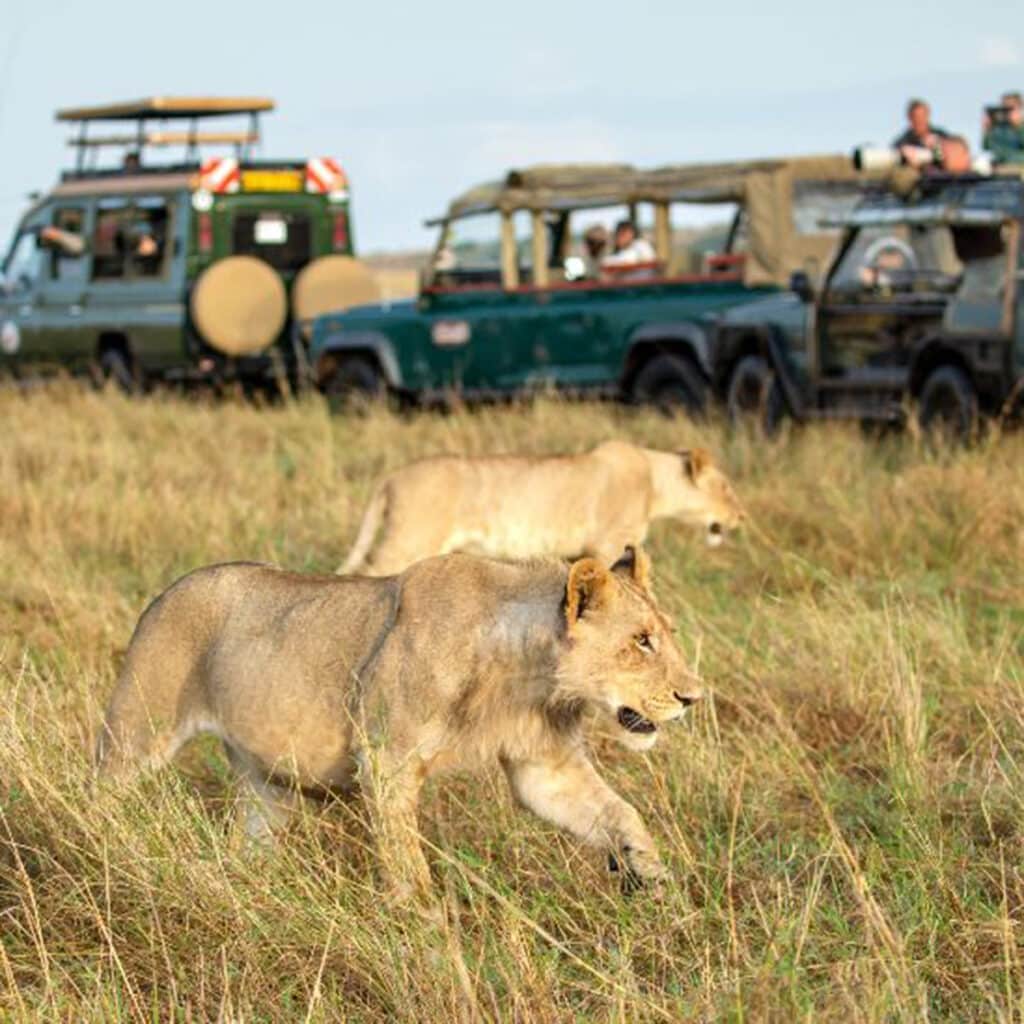
Another close call. Ngorongoro Crater is like nature’s amphitheater—dramatic, enclosed, teeming with wildlife. It’s an easy day trip, perfect for ticking off Big 5 sightings in record time.
But the Serengeti is wilder, more expansive, less predictable. If Ngorongoro is a brilliant symphony, Serengeti’s the full orchestra with improvisation.
Most tours do both. And that’s honestly the smart way to do it.
So, What’s the Final Word?
African safari tours Serengeti are more than just checking animals off a list. They’re emotional. They’ll make you whisper “wow” more times than you can count. But they take planning, budget, timing, and expectations all matter.
If you’re the kind of traveler who wants a deeper connection to wild places and the creatures that call them home, start here. Just don’t forget your binoculars… and a sense of wonder.
- Published in Uncategorized
Why Serengeti Tours Are the Ultimate Safari Adventure in 2025.
The Call of the Serengeti Tours
Close your eyes for a second. Can you hear it? The low rumble of hooves across golden plains. The distant roar of a lion under a starlit sky. That’s not a soundbite from a documentary—it’s the real Serengeti calling. There’s something magnetic about this place. Something primal and peaceful all at once.
In 2025, Serengeti Tours will offer something extra special. New eco-lodges blend luxury with sustainability. Tour routes are better organized and more immersive. And thanks to consistent weather patterns and conservation wins, wildlife sightings are more predictable than ever. This is the year if you’ve been dreaming of Africa—of wide skies, endless plains, and wild encounters.
So, ready to experience the adventure of a lifetime?
What Makes Serengeti So Different?.
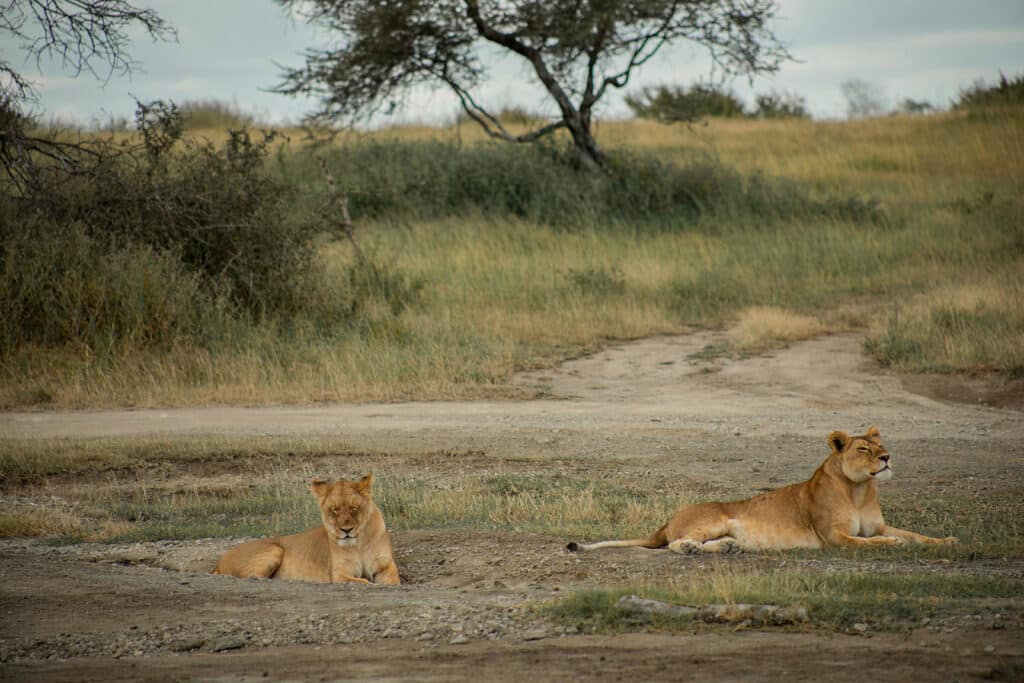
Let’s be honest: Africa’s no shortage of stunning national parks. But Serengeti? It’s in a league of its own. We’re talking about a UNESCO World Heritage Site that sprawls across 14,750 square kilometers—yep, that’s bigger than countries like Montenegro or the Bahamas.
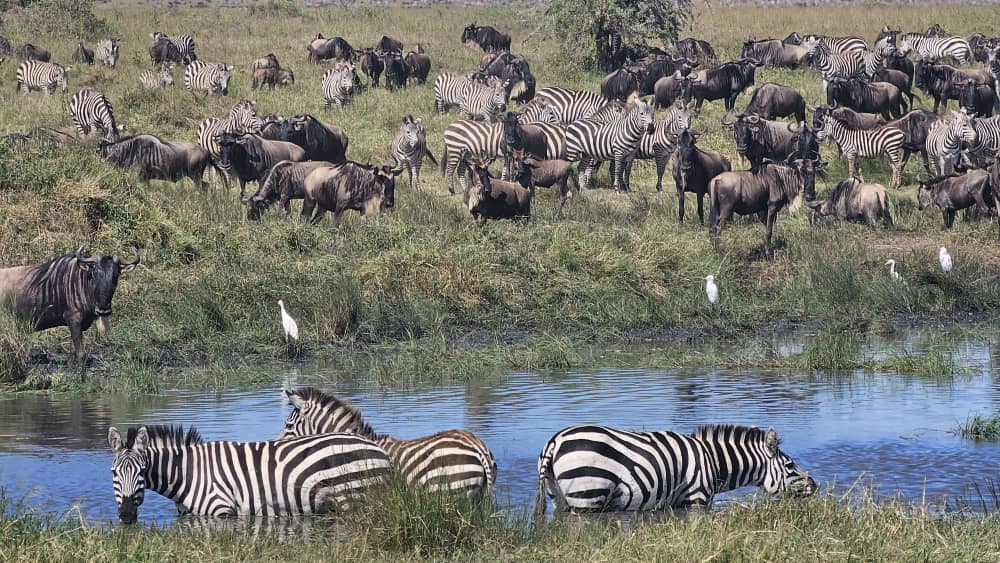
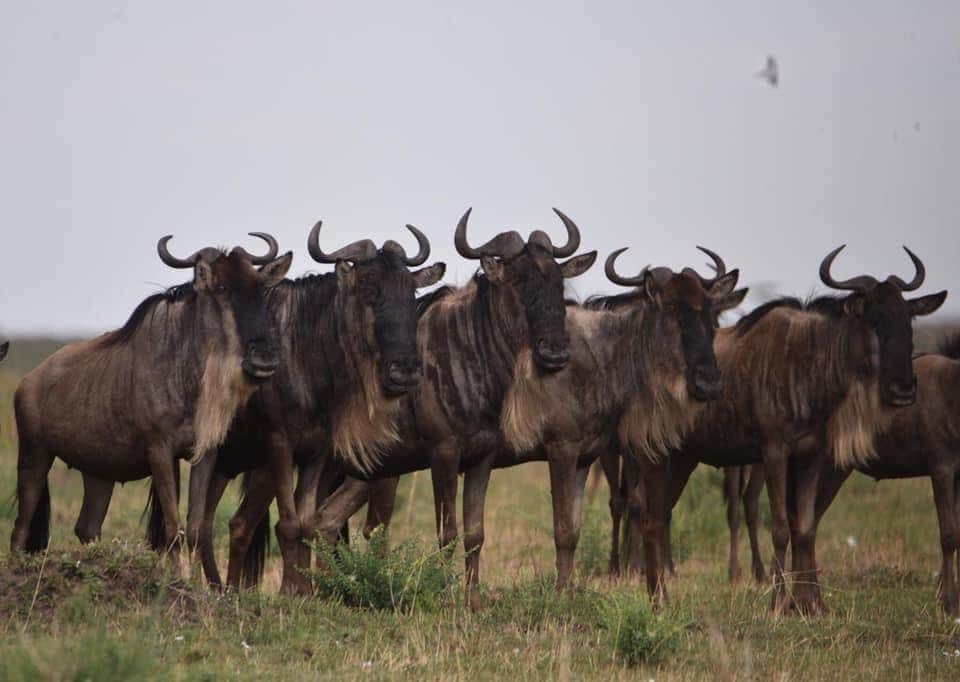
What sets Serengeti Tours apart is the sheer concentration and diversity of wildlife. Here, lions rule their pride, elephants wander in calm herds, and cheetahs streak across the horizon in full chase mode. And then there’s the Great Migration—arguably nature’s most jaw-dropping road trip. Picture millions of wildebeest (plus zebras and gazelles) trekking across the plains, braving crocodile-infested rivers, following ancient instincts. It’s not just a safari—it’s a front-row seat to Earth’s rawest theater.
Fun fact: “Serengeti” comes from the Maasai word Siringet, meaning “endless plains.” Once you see it, the name just makes sense.
Here’s What to Expect on a Serengeti Tour in 2025.

Now, let’s talk logistics—what’s a day on a Serengeti tour really like? For starters, expect early mornings. Wildlife gets up with the sun, and so will you (trust us, it’s worth it). Game drives in open-roof vehicles will get you ridiculously close to lions lounging in the shade or giraffes nibbling on acacia leaves.
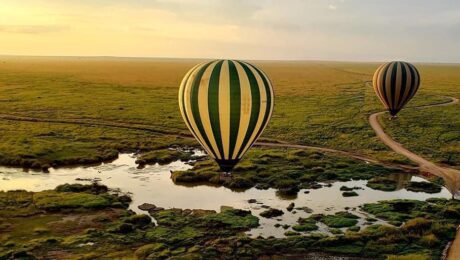
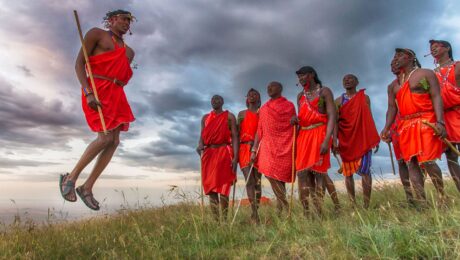
2025 brings even more thoughtful touches to Serengeti Tours. Many companies now offer hot air balloon safaris—floating silently above the plains as the sun rises is nothing short of magical. Some itineraries include visits to local Maasai communities, where storytelling, dance, and crafts create a real connection beyond the wildlife.
The cherry on top? Comfortable, eco-friendly lodges with actual beds (no roughing it required). Many camps now run on solar power, use local produce, and employ expert guides who don’t just know their stuff—they live it.
One guest, Rebecca from the UK, said, “I thought I was coming for the animals. But I stayed for the feeling. The Serengeti just… changes you.”
When’s the Best Time to Go? Let’s Break It Down
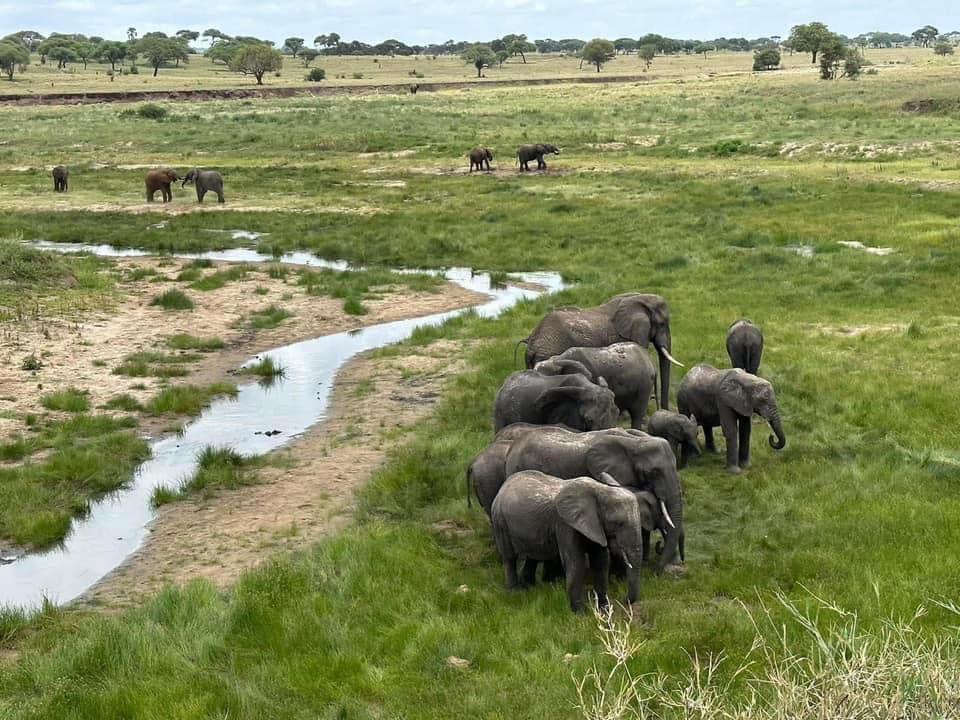
The Serengeti has no bad season, but depending on what you want to see, timing matters.
- June to October: Dry season and the best time for wildlife viewing. Animals gather around waterholes, and the grass is low, so you’ll spot more.
- July to September: Prime time for the dramatic river crossings during the Great Migration. Think chaos, suspense, and jaw-dropping moments.
- November to May: The green season. Yes, it rains—but landscapes are lush, skies are dramatic, and birdlife is at its best. Plus, fewer tourists mean more space for you.
A quick cheat sheet:
- Want lions and elephants galore? June–October.
- Hoping for baby animals and birds? January–March.
- Prefer fewer crowds and great deals? Try April or May.
You know what? Even the “off” months have a kind of quiet magic. It all depends on your rhythm.
Why Choose Our Serengeti Tours?.

You’ve got options—so why us?
First off, our Serengeti Tours keep group sizes small. No big buses. No being herded around. Just intimate groups, real connections, and time to breathe it all in.
Second, we’re big on sustainability. We partner with locally owned camps and community-run projects, so your travel dollars do good, right where they’re needed.
In 2025, we’re introducing exclusive perks: private sundowners, optional photography guides, and even a free cultural visit with every 7-day booking. Safety? Covered. Expertise? You bet. Our guides are locals with years of experience—and stories that bring the bush to life.
Honestly, the Serengeti sells itself. But if you want to see it with people who care deeply about your experience (and the land you’re walking on), let’s talk.
How to Make It Unforgettable: 5 Quick Tips
- Bring good binoculars. Your camera’s zoom won’t always cut it.
- Wear neutral clothes. Think olive, tan, or grey—bright colors can scare off animals.
- Book early. Especially if you want to visit during peak migration months.
- Pack a soft bag. Hard cases can be a nightmare in small safari planes.
- Keep a journal. Sounds old school, but trust us—you’ll want to remember the details.
Bonus tip? Bring curiosity. That’s the real secret ingredient.
So, What Are You Waiting For?
You don’t just go to the Serengeti—you feel it. It’s in the crunch of dry grass underfoot. In the hush that falls when a leopard appears. In the awe of standing still while the world runs wild around you.
2025 is shaping up to be a remarkable year for Serengeti Tours. The ecosystem is thriving, the visitor experience is better than ever, and the world is ready to reconnect with nature in a big way.
So here’s the question: What animal are you most excited to see on your Serengeti safari?
Book your Serengeti tour today and step into the wild.
- Published in Uncategorized
Hello world!
Welcome to WordPress. This is your first post. Edit or delete it, then start writing!
- Published in Uncategorized