So, you’ve decided to conquer Mount Kilimanjaro, one of the Seven Summits and a bucket-list experience for many adventurers. But, you’re probably wondering, “How much is this epic journey going to cost me?” It’s a fair question. Whether you’re dreaming of standing at the summit, soaking in the sunrise, or simply ticking this off your travel bucket list, there’s no denying that climbing Kilimanjaro requires a bit of financial planning. But don’t worry—we’ve got you covered with tips on how to score the best deals for this once-in-a-lifetime adventure
Overview of Kilimanjaro Climb Costs.
First things first, let’s talk money. Climbing Kilimanjaro is not a cheap endeavor. The cost for a trek can range from about $1,500 to upwards of $5,000. Now, before you get nervous about your savings account, take a deep breath. There’s a lot of flexibility in this range, and how much you’ll pay depends on many factors (which we’ll break down in just a sec).
If you’re going for the budget-friendly option, you might spend closer to $1,500. However, if you’re looking for a more luxurious experience with extra perks, you’re looking at prices that could easily exceed $4,000 or more. The price difference mostly comes down to the level of service, the route you choose, and the time of year you go.
But here’s the thing—just because you see a lower price tag doesn’t mean you’re sacrificing quality. With the right research, you can find the perfect balance between cost and quality. Let’s dive into how to navigate these price variations.
Factors Influencing the Cost
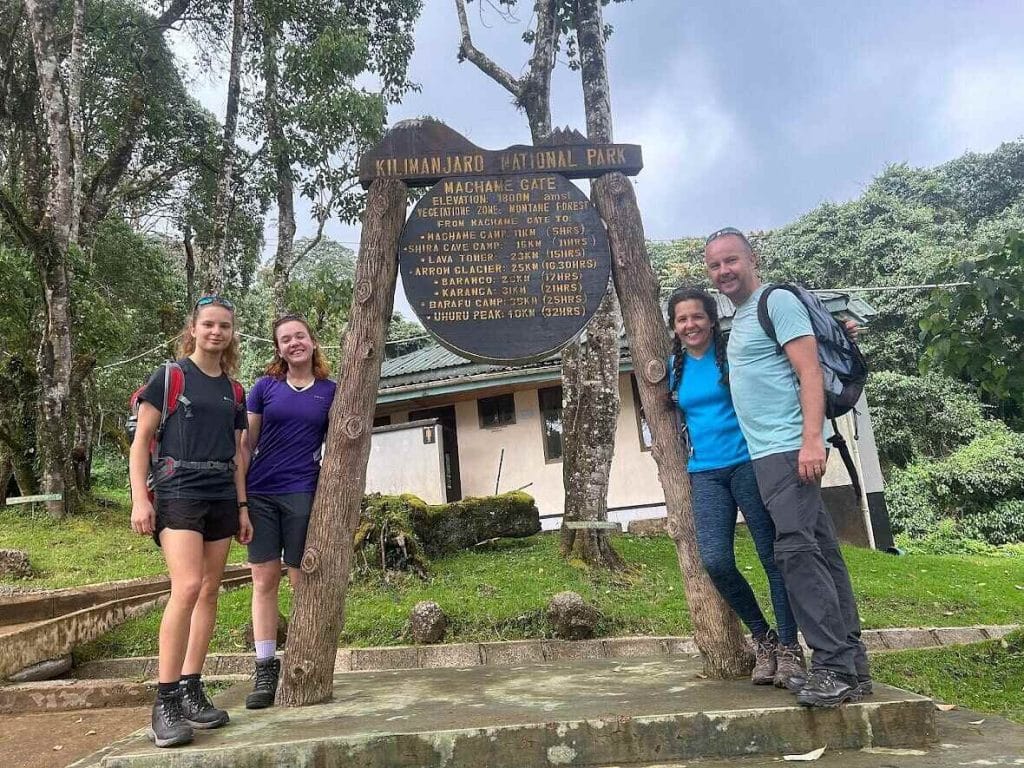
You might think the price of climbing Kilimanjaro is straightforward, but there are quite a few variables to consider. Here’s a breakdown of the key factors that will impact what you pay:
Route Choice
Did you know that there are seven main routes to the top of Kilimanjaro? Each one has its own level of difficulty, popularity, and—yep, you guessed it—cost. For example, the Machame Route is the most popular and usually costs a little more, while the Marangu Route, which is considered easier, can be a bit more affordable. The longer and more challenging the route, the higher the price tends to be.
Tour Operator
Not all tour operators are created equal. Some might offer luxury experiences with personal guides, while others provide a more basic package. The level of service, quality of guides, and amenities (like tents, meals, and porters) can vary dramatically. So, it’s worth doing your homework to find a reputable operator that fits your budget and expectations. Look for operators with good reviews and the necessary certifications, and ensure they prioritize safety.
Seasonality
When you choose to climb can make a big difference to your costs. High season—usually from June to September and December to February—tends to bring higher prices, while the off-season can offer more budget-friendly options. If you’re flexible, going during the off-peak months (March-May or November) could save you a good chunk of change.
Group Size
Another factor that can affect cost is whether you join a group or go solo. Going solo can be pricey because you’ll have to cover the costs of the entire crew, including guides and porters. On the flip side, joining a group trek spreads the costs out, often making it a more affordable option.
Duration of the Climb
Longer climbs generally mean higher prices. While most treks last 6-9 days, some operators offer longer or shorter options, which can affect the total cost. Be sure to weigh your time constraints against your budget before committing to a specific duration.
Inclusions
When comparing different tour packages, check what’s included. Basic packages might cover just the climb itself—guides, porters, park fees, etc.—but luxury options could add extra perks like better meals, upgraded accommodations, or even personal assistants. You don’t want to get caught off guard with extra costs down the line, so make sure you know exactly what’s included.
How to Compare Different Operators
Here’s where the rubber hits the road: finding a good deal. When comparing Kilimanjaro tour operators, price isn’t everything. Quality matters too. Here are a few tips to help you narrow down your options:
- Service Level: Does the company provide top-notch equipment? Are their guides experienced? What kind of support will you have throughout your climb?
- Reviews: Look up reviews on trusted sites like TripAdvisor, Google, or independent travel blogs. Real experiences from fellow trekkers can give you a good sense of what to expect.
- Certifications: Make sure the operator is properly licensed and adheres to safety standards. The Kilimanjaro National Park Authority requires guides and porters to be certified, so don’t hesitate to ask for proof.
- Websites and Resources: Websites like KiliPartners, Kilimanjaro Guide, and SafariBookings can help you compare prices and services offered by various operators.
Take your time here—this is where you can avoid unpleasant surprises. It’s tempting to choose the cheapest option, but make sure it’s a reputable company that values your safety and comfort.
Discounts and Promotions
If you’re trying to save some cash (who isn’t?), keep an eye out for deals. Booking during the off-season, for example, can help you snag a better price. Many operators offer discounts for group bookings or early bird specials. Some also have partnerships or affiliate programs that give you access to discounts, so it’s worth asking.
Another tip? If you’re flexible with your dates, you may find discounted rates for last-minute bookings, especially if a company is trying to fill empty spots. It’s all about timing and being proactive.
Essential Considerations Beyond Price
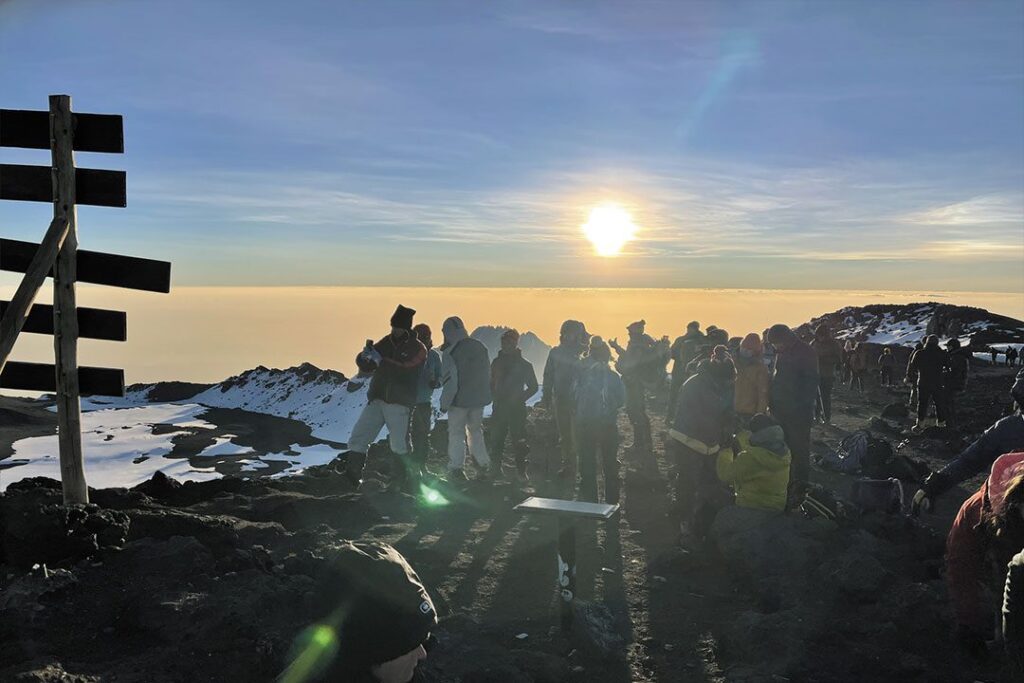
It’s easy to get caught up in chasing the best price, but don’t forget that safety and quality should always come first. Ensure your operator is prioritizing the welfare of their staff, particularly porters. Ethical practices, like fair wages and proper equipment for porters, are essential for a responsible and sustainable experience.
Also, think about the experience itself. Will the operator provide adequate support, such as experienced guides, quality equipment, and reliable communications in case of emergencies? A cheap price isn’t worth it if it compromises your safety or the overall experience.
Budgeting Tips
There are a few extra costs beyond the base price of the trek, and it’s important to factor these into your budget:
- Gear: You’ll need the right clothes, footwear, and accessories. You don’t need to buy everything brand-new—consider renting or buying second-hand.
- Tips: Porters, guides, and cooks expect tips, which can be anywhere from $150 to $250 per person, depending on the size of your group.
- Travel Insurance and Visa: Make sure you have travel insurance that covers climbing activities. You’ll also need to factor in visa costs if applicable.
One great tip? Book early to avoid price hikes and to secure the best deals.
How to Avoid Hidden Costs
No one likes surprises, especially when it comes to money. Here are a few hidden costs to watch out for:
- Park Fees: These are typically included in your tour price, but always double-check.
- Equipment Rentals: If you don’t have the right gear, some companies may charge extra for renting it.
- Optional Add-Ons: Keep an eye on any extra services, like extra days on the mountain or guided tours before or after your climb.
Be sure to clarify all costs upfront to avoid any unexpected fees later.
In the end, climbing Kilimanjaro isn’t just about the price—it’s about the experience. Do your research, plan ahead, and choose an operator that meets both your budget and safety standards. After all, this is the trip of a lifetime! You’ll want it to be everything you dreamed of, without the stress of unexpected costs.
Ready to take the next step? Let’s get you on the path to the summit!