
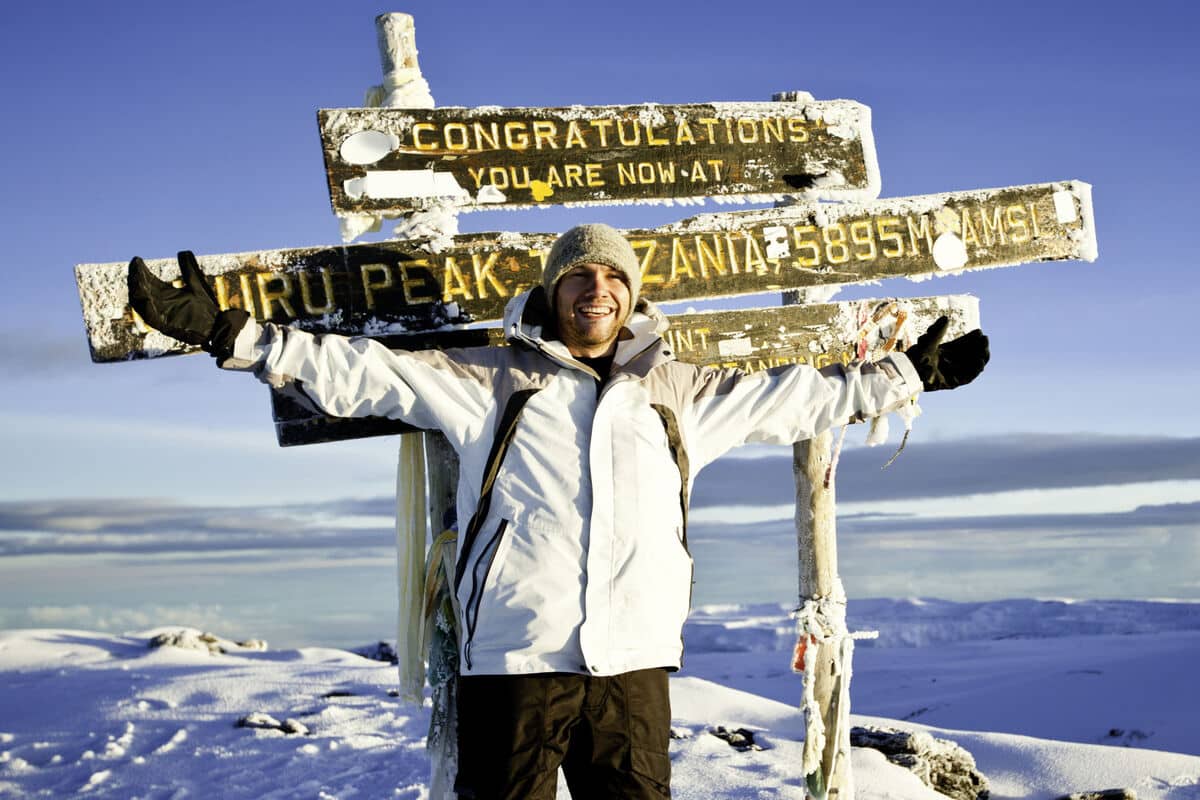
Imagine standing at the top of Africa, gazing down from a summit that touches the heavens themselves. Mount Kilimanjaro is more than just a mountain—it’s a symbol of human determination, adventure, and triumph. But before you start packing your bags for this once-in-a-lifetime journey, there are a few things you need to know. Here’s your ultimate guide to traveling to Mount Kilimanjaro, and trust me, it’s an experience you won’t forget
Why Mount Kilimanjaro?
Mount Kilimanjaro is one of those places that calls out to adventurers, thrill-seekers, and even those who just want to tick a major bucket list item.
Why? Because it’s special. As the highest peak in Africa, standing at 5,895 meters (19,341 feet) above sea level, it’s the tallest freestanding mountain in the world. No massive mountain range, just one colossal peak rising out of the savannah. It's what makes Kilimanjaro a truly unique experience—its independence.
Now, here’s the thing—Kilimanjaro isn’t just for seasoned climbers. It’s accessible to anyone with a reasonable level of fitness and the right mindset. The sheer fact that you’re standing at the top of Africa, with panoramic views of the surrounding plains and forests, makes it a must-see destination. Add to that the thrill of the climb, the sense of accomplishment, and the chance to stand where few have stood before—Mount Kilimanjaro becomes irresistible.
What to Expect on the Journey
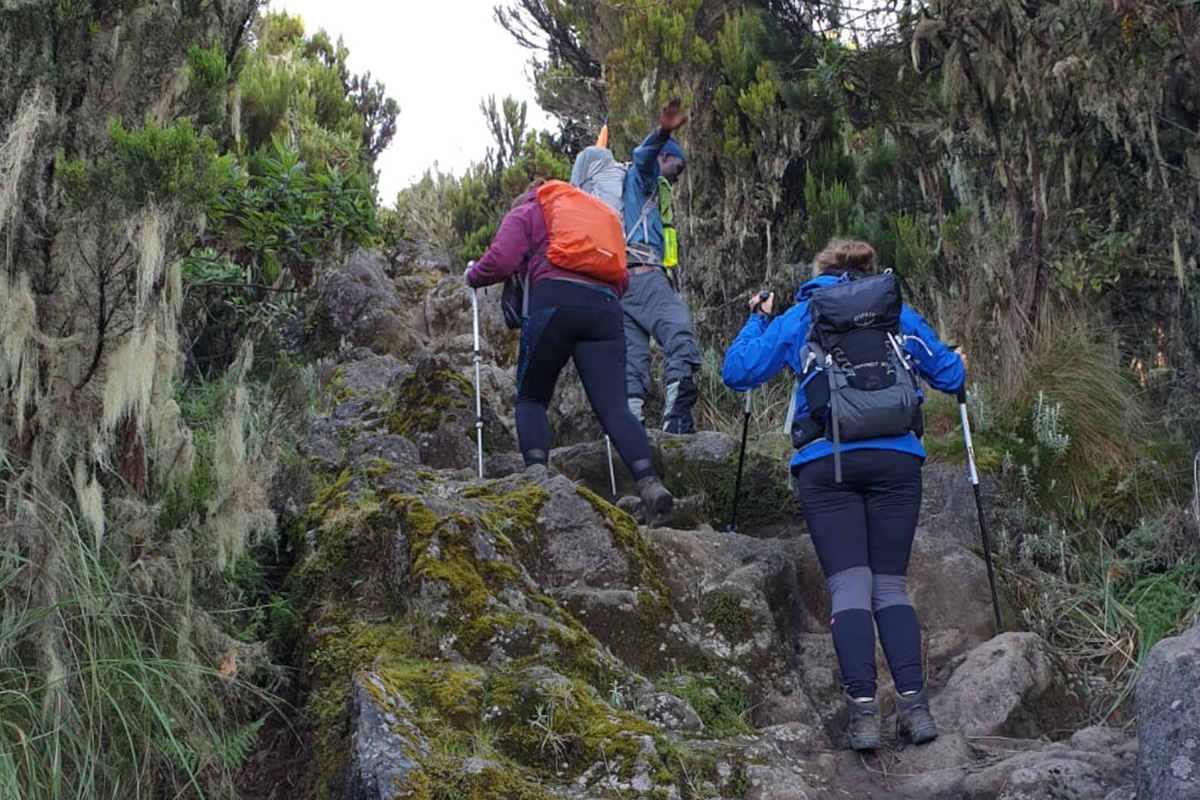
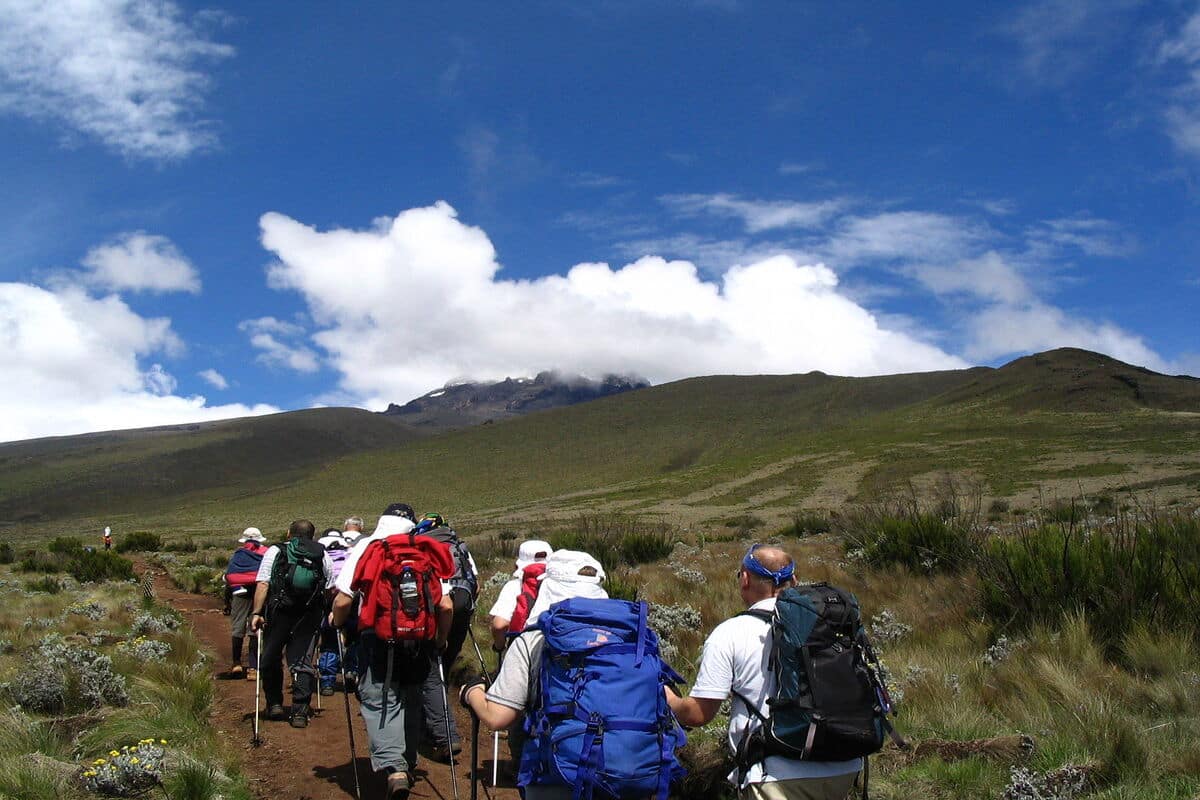
You’ve probably heard that “It’s not the destination; it’s the journey.” And on Mount Kilimanjaro, that couldn’t be truer. The trek to the summit is an adventure in itself. There are multiple routes up the mountain, and each offers a distinct experience, so choosing the right one is key to how you’ll experience this adventure. Routes like the Machame, Marangu, and Lemosho offer varying levels of difficulty and different landscapes to explore.
As you climb, you'll encounter diverse ecosystems, from lush rainforests teeming with wildlife to alpine deserts and icy glaciers at the summit.
This isn’t just a hike; it’s an exploration through different worlds. And while the final summit is the ultimate goal, the real magic is in witnessing how the environment changes as you ascend. The higher you go, the more surreal it feels. One moment, you're surrounded by dense, humid vegetation, and the next, you're walking along a barren, moon-like landscape.
Practical Tips for Travelers
Now, let’s talk about the real stuff—the preparation. First off, when’s the best time to go? The peak climbing seasons are between January to March and June to October. The weather is most favorable during these months, making it easier to trek and less likely to be hit by bad weather. However, keep in mind that it’s still quite cold at higher altitudes year-round. So, packing is crucial.
Speaking of packing, here’s your essentials list:
-
Warm layers: Temperatures can drop to below freezing, especially near the summit.
-
Sturdy hiking boots: You’ll need support for the rocky terrain and steep slopes.
-
Waterproof jacket: It rains at lower altitudes, and you’ll want to stay dry.
-
Sunscreen: Even at higher altitudes, the sun can be intense.
Don’t forget the importance of a reputable guide and tour operator. Kilimanjaro is a challenging climb, and hiring a guide who knows the mountain is not only recommended but essential. The right guide will help with everything from pace to safety and ensure you’re properly acclimatized to avoid altitude sickness.
Health and Safety Considerations
Speaking of altitude sickness—let's talk about it. Altitude sickness is no joke, but it’s also something you can manage with the right approach. The key is to slow down and let your body adjust. This is why taking the longer routes that give you extra days to acclimatize is a good choice. Don’t rush to the top. Listen to your body and make sure you hydrate frequently.
If you're feeling nauseous, dizzy, or fatigued, don’t ignore it. Communicate with your guide. And honestly, having a guide with experience in managing altitude sickness can make all the difference.
Also, make sure you’re physically prepared. While it’s not a technical climb, it’s still physically demanding. Training your endurance and doing some serious cardio before you go will help you feel more confident as you tackle those higher altitudes.
Cultural and Scenic Highlights.
One thing you’ll notice while traveling to Mount Kilimanjaro is the profound connection you’ll have with the people around you. Tanzanian guides are incredibly knowledgeable and often become like family by the end of the trip. Their stories, hospitality, and infectious enthusiasm for the mountain will make your journey all the more memorable.
Beyond the climb, Kilimanjaro also offers cultural experiences. The local Chagga people, who live around the mountain, have their own rich history and way of life. You’ll have the chance to learn about their traditions, and you might even get the opportunity to visit their villages.
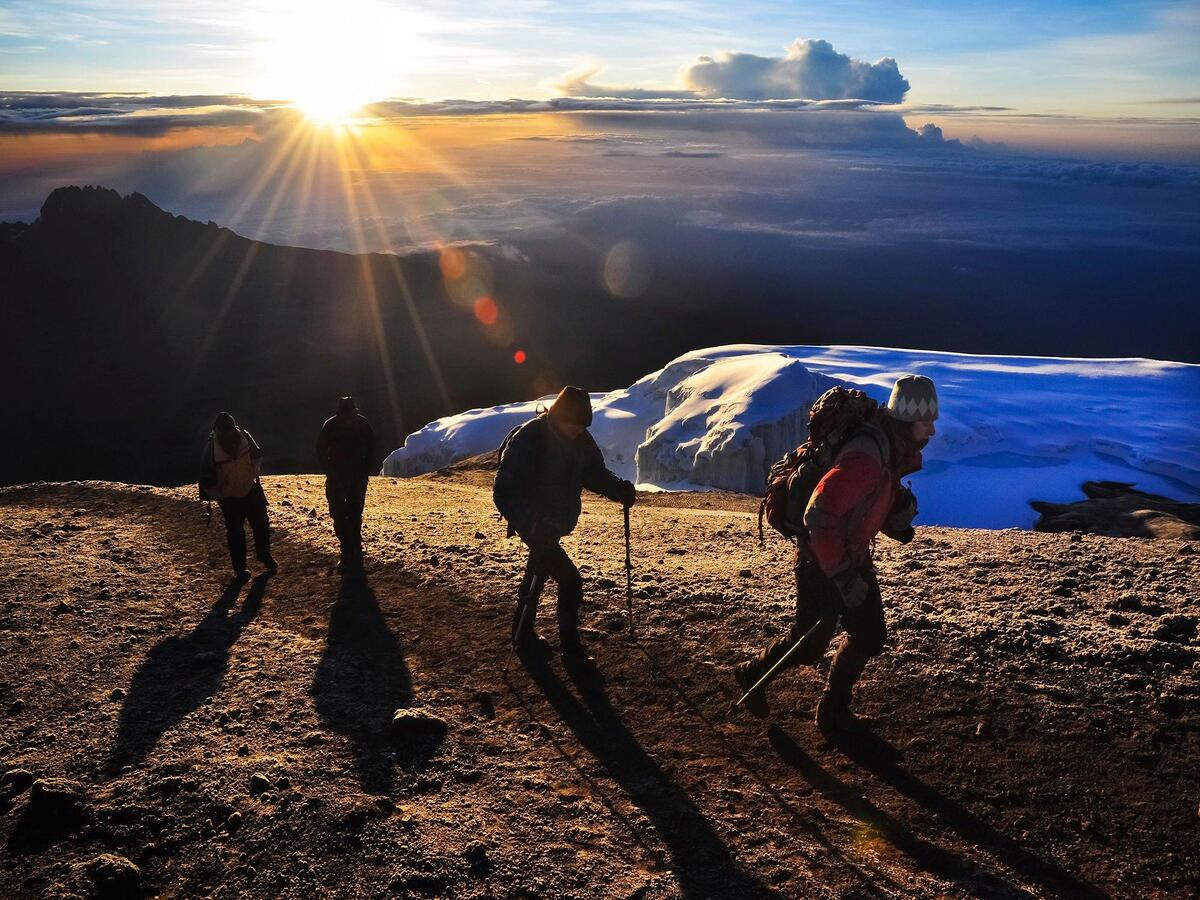
And the scenery? It’s nothing short of breathtaking. From the dense rainforests at the base to the arctic-like summit, every step brings a new view. You’ll experience sunrises that feel like they were designed by the heavens and starry nights that make you feel infinitesimally small. It’s moments like these that remind you why you’re climbing this mountain in the first place.
Personal Growth and Achievements
Let’s be real: summiting Mount Kilimanjaro isn’t just a physical feat—it’s a massive mental challenge too. Standing on top of the world after days of trekking is an incredible moment of personal achievement. You’ll feel a mix of emotions—pride, relief, awe—but there’s a deep satisfaction in knowing that you pushed yourself beyond what you thought was possible. It’s more than just a check on the bucket list; it’s an experience that will stay with you forever.
As you stand there, taking in the magnificent views, you’ll realize that this journey—this challenge—has changed you. You’ve proven to yourself that you’re capable of more than you ever imagined. And trust me, that feeling is something you’ll carry with you long after you leave the mountain.
What is Next.....
Now that you’re armed with the essentials, it’s time to start planning. Your Kilimanjaro adventure is waiting, and it’s closer than you think. Begin by researching reputable guides, deciding on the best route for your experience level, and preparing your body for the journey ahead.
Remember, every step you take on the mountain is a step toward personal growth, adventure, and the ultimate sense of accomplishment.
So, why wait? Start planning your journey to Mount Kilimanjaro today and make your dream a reality. You’ll never look at mountains the same way again.